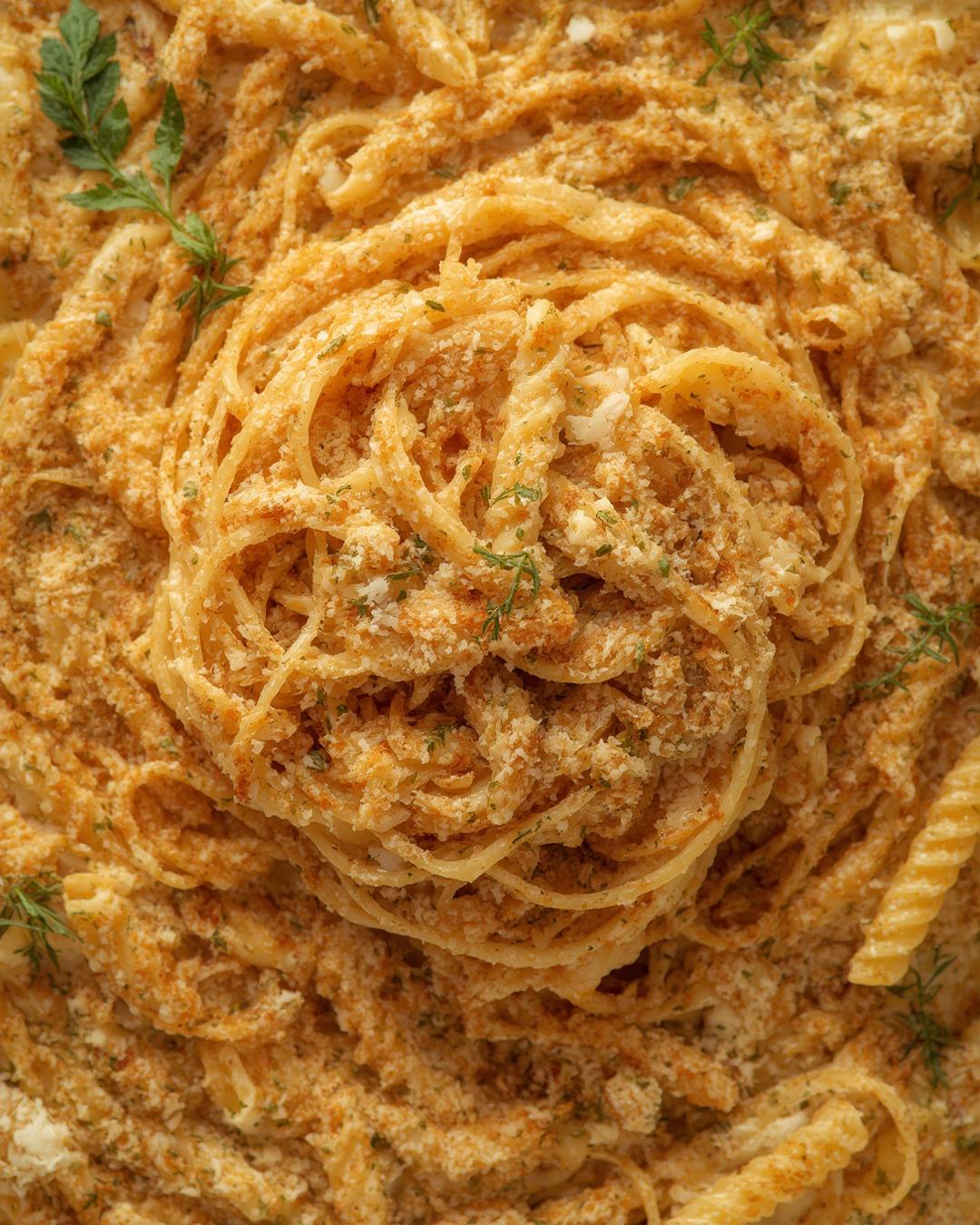
Introduction
There’s something undeniably comforting about a perfectly cooked plate of pasta. Whether it’s a quick weeknight dinner or an elaborate weekend feast, pasta dishes have secured their place in kitchens worldwide. This versatile staple transcends cultures and cuisines, offering endless possibilities for creativity and flavor combinations. Today, we’re diving into the art of preparing a classic pasta dish that balances simplicity with rich, satisfying flavors.
The beauty of pasta lies in its adaptability. From the hearty spaghetti bolognese that warms you on cold evenings to the light summer pasta salads that refresh during warmer months, there’s a pasta dish for every season and occasion. What makes pasta truly special is how it brings people together – families gathering around the dinner table, friends sharing a meal, or even solo cooks treating themselves to a bowl of comfort.
As we explore this recipe, we’ll discover not just the mechanics of cooking pasta to perfection, but also the little touches that elevate a simple dish into something memorable. Whether you’re a novice cook or a seasoned chef, there’s always something new to learn about this beloved carbohydrate that has graced dining tables for centuries.
Ingredients List
For this classic pasta dish, you’ll need:
For the pasta base:
– 1 pound (450g) of quality pasta (spaghetti works wonderfully here)
– 4 quarts (3.8 liters) of water
– 2 tablespoons of salt for the cooking water
For the sauce:
– 3 tablespoons extra virgin olive oil
– 4 cloves garlic, minced
– 1 medium onion, finely diced
– 1 can (28oz/800g) San Marzano tomatoes, crushed
– 1 teaspoon dried oregano
– 1 teaspoon dried basil (or 2 tablespoons fresh, chopped)
– ½ teaspoon red pepper flakes (adjust to taste)
– Salt and freshly ground black pepper to taste
For garnish:
– Fresh basil leaves
– Freshly grated Parmesan cheese
– Extra virgin olive oil for drizzling
The quality of your ingredients will significantly impact the final dish. For the pasta, choose a brand that uses durum wheat semolina for that perfect al dente texture. If spaghetti isn’t your preference, feel free to substitute with linguine, fettuccine, or even penne – each pasta shape offers a slightly different eating experience but works beautifully with this sauce.
Timing
Understanding timing is crucial for pasta perfection. Here’s a breakdown:
Total Time: 35 minutes
– Prep Time: 10 minutes
– Cook Time: 25 minutes
For the best results, coordinate your sauce and pasta cooking times. Start the sauce first, as it needs longer to develop flavors. Begin boiling your pasta water while the sauce simmers. This synchronization ensures your pasta is freshly cooked when the sauce reaches its peak flavor profile.
A common mistake is starting the pasta too early, resulting in it sitting and becoming sticky while waiting for the sauce. Alternatively, having your sauce ready while your pasta is still undercooked creates unnecessary pressure. With proper timing, everything comes together harmoniously for the perfect plate.
Step-by-Step Instructions
Preparing the Sauce:
1. Heat the olive oil in a large, deep skillet over medium heat until it shimmers.
2. Add the diced onion and cook for 3-4 minutes until translucent but not browned.
3. Add the minced garlic and cook for another 30-45 seconds until fragrant, being careful not to burn it.
4. Pour in the crushed tomatoes, stirring to combine with the aromatics.
5. Add the dried oregano, basil, red pepper flakes, salt, and black pepper.
6. Reduce heat to low and let the sauce simmer uncovered for 15-20 minutes, stirring occasionally.
7. The sauce should reduce slightly and develop a deeper flavor. If using fresh basil, stir it in during the last 2 minutes of cooking.
Cooking the Pasta:
1. While the sauce simmers, bring the 4 quarts of water to a rolling boil in a large pot.
2. Add 2 tablespoons of salt to the boiling water – this may seem like a lot, but properly salted water is key to flavorful pasta.
3. Add the spaghetti to the water, stirring immediately to prevent sticking.
4. Cook according to package directions until al dente (typically 8-10 minutes for dried spaghetti).
5. Before draining, reserve 1 cup of the starchy pasta water.
6. Drain the pasta but do not rinse – the starch on the surface helps the sauce adhere.
Bringing It All Together:
1. Add the drained pasta directly to the sauce in the skillet.
2. Toss thoroughly to coat each strand, adding a splash of reserved pasta water as needed to loosen the sauce.
3. Cook together for 1-2 minutes, allowing the pasta to absorb some of the sauce’s flavors.
4. Taste and adjust seasonings if necessary.
Nutritional Information
Understanding the nutritional content of your pasta dish helps make informed dietary choices:
Per serving (based on 4 servings):
– Calories: Approximately 420-450
– Carbohydrates: 65-70g
– Protein: 12-15g
– Fat: 10-12g
– Fiber: 4-5g
– Sodium: 600-800mg (varies based on salt usage)
These values are estimates and may vary based on specific ingredients and portion sizes. The traditional pasta dish provides substantial carbohydrates for energy, moderate protein content, and a reasonable amount of healthy fats from the olive oil.
Healthier Alternatives
For those looking to adjust this classic pasta dish for dietary preferences or restrictions:
Lower-Carb Options:
– Substitute regular pasta with zucchini noodles (“zoodles”)
– Try spaghetti squash for a vegetable-based alternative
– Use chickpea or lentil pasta for increased protein and fiber
Gluten-Free Choices:
– Rice pasta maintains a similar texture to wheat-based versions
– Corn pasta offers a slightly sweeter flavor profile
– Quinoa pasta provides additional protein
Reducing Sodium:
– Decrease salt in the pasta water
– Use low-sodium canned tomatoes
– Enhance flavor with fresh herbs instead of salt
Boosting Nutrition:
– Add diced vegetables to the sauce (bell peppers, carrots, spinach)
– Include lean protein like grilled chicken or shrimp
– Incorporate nutrient-rich mushrooms for additional texture and umami
Remember, these modifications may alter the traditional flavor profile but can make the dish suitable for various dietary needs while maintaining its comforting essence.
Serving Suggestions
Elevate your pasta experience with these thoughtful serving ideas:
Accompaniments:
– A simple green salad with a light vinaigrette balances the richness of the pasta
– Garlic bread or focaccia for sopping up extra sauce
– Roasted vegetables as a nutritious side
Beverage Pairings:
– A medium-bodied Italian red wine like Chianti or Montepulciano
– For non-alcoholic options, sparkling water with a squeeze of lemon
– Iced tea with fresh mint for a refreshing contrast
Presentation Ideas:
– Serve family-style in a large, warmed pasta bowl
– For individual plating, use pasta tongs to create a neat spiral of spaghetti
– Add a final drizzle of quality olive oil and a sprinkle of freshly grated cheese tableside
The traditional approach involves twirling the pasta with a fork, using the spoon as a support. However, in Italy, many locals skip the spoon entirely, using just the fork against the plate’s edge – a technique worth mastering for an authentic experience.
Common Mistakes
Avoid these pitfalls for pasta perfection:
Cooking Errors:
– Undercooking or overcooking the pasta instead of achieving true al dente texture
– Using a pot that’s too small, causing the pasta to clump together
– Not stirring the pasta initially, resulting in sticking
– Rinsing pasta after cooking, which removes the starch needed for sauce adhesion
Sauce Missteps:
– Rushing the sauce development instead of allowing flavors to properly meld
– Oversalting, which cannot be corrected easily once done
– Using low-quality canned tomatoes that lack depth of flavor
– Adding too many competing ingredients that muddle the traditional profile
Serving Issues:
– Allowing the pasta to cool before serving, which affects texture
– Not properly incorporating the pasta and sauce together
– Drowning the pasta in too much sauce, overwhelming its flavor
– Using pre-grated cheese, which lacks the freshness and flavor of freshly grated
By avoiding these common errors, your pasta dish will showcase the beautiful simplicity and authentic flavors that make Italian cuisine so beloved worldwide.
Storing Tips
Proper storage ensures your pasta remains enjoyable even as leftovers:
Short-term Storage:
– Allow any leftovers to cool completely before refrigerating
– Store pasta and sauce together in an airtight container
– Refrigerate for up to 3-4 days
– Add a few drops of olive oil to prevent excessive sticking
Reheating Methods:
– Microwave: Add a splash of water, cover loosely, and heat on medium power, stirring halfway through
– Stovetop: Warm in a skillet over medium-low heat, adding a tablespoon of water to rejuvenate the sauce
– Oven: For larger portions, cover with foil and bake at 350°F (175°C) until heated through
Freezing Guidance:
– While possible to freeze, pasta texture often suffers upon thawing
– If freezing, slightly undercook the pasta initially
– Freeze sauce and pasta separately when possible
– Use within 1-2 months for best quality
– Thaw in the refrigerator overnight before reheating
For the best experience, pasta is ideally enjoyed fresh. However, with proper storage and reheating techniques, leftovers can still provide a satisfying meal with minimal quality loss.
Conclusion
The humble pasta dish we’ve explored represents more than just sustenance—it’s a celebration of simplicity, quality ingredients, and time-honored techniques. Whether you’re tossing spaghetti with our classic sauce or experimenting with variations, the fundamental principles remain: respect for ingredients, attention to cooking details, and the joy of sharing good food.
What makes pasta endure as a global favorite is its remarkable versatility combined with comforting familiarity. It welcomes both tradition and innovation, serving as a blank canvas for culinary creativity while honoring its rich heritage. From the precise al dente texture to the harmonious marriage with sauce, each element contributes to the overall experience.
As you perfect your pasta-making skills, remember that the most memorable dishes often come from understanding the basics deeply rather than complicated techniques. The satisfaction of twirling perfectly cooked spaghetti around your fork, capturing just the right amount of sauce, is one of the simple pleasures that makes cooking at home so rewarding.
FAQs
How can I tell when pasta is perfectly al dente?
Al dente pasta should offer slight resistance when bitten, without any chalky center. Start testing about a minute before the package’s suggested cooking time. For spaghetti, it should hold its shape when lifted but be tender enough to bite through easily.
Why does restaurant pasta taste better than mine at home?
Restaurants often finish cooking the pasta in the sauce, allowing it to absorb flavors. They also liberally salt their pasta water and use starchy pasta water to create silky sauces. Additionally, they typically use higher-heat cooking methods and professional-grade ingredients.
Should I add oil to my pasta water?
No, this is unnecessary and counterproductive. Oil floats on water’s surface and ultimately coats the pasta when drained, preventing sauce from adhering properly. Instead, use a large pot with plenty of water and stir occasionally to prevent sticking.
What’s the ideal pasta-to-sauce ratio?
The traditional Italian approach favors a balanced ratio where pasta remains the star, enhanced rather than overwhelmed by sauce. Typically, 1 cup of sauce is sufficient for 1 pound (450g) of pasta, though personal preference may vary.
Can I prepare pasta dishes in advance for parties?
Yes, with some adjustments. Cook the pasta slightly underdone, toss with a little olive oil, and refrigerate separately from the sauce. When ready to serve, briefly immerse the pasta in boiling water to refresh it, then combine with the reheated sauce and finish cooking together for 1-2 minutes.