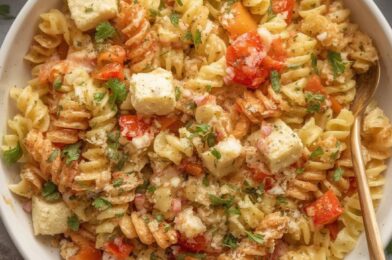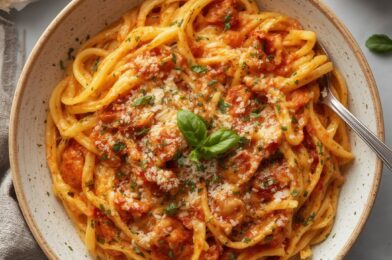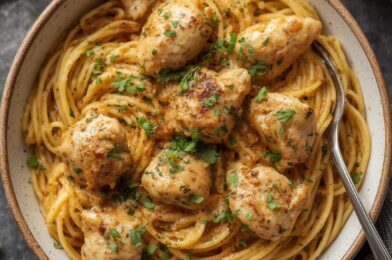
Delicious Chicken Pasta Recipes for Quick Dinners

Introduction

Pasta and chicken create one of those culinary combinations that never disappoints. Whether you’re looking for a quick weeknight meal or something to impress weekend dinner guests, chicken pasta recipes offer versatility, comfort, and satisfaction all in one dish. The beauty of pasta dishes with chicken lies in their adaptability – you can go creamy and indulgent, light and lemony, or packed with vegetables for extra nutrition. This particular recipe strikes the perfect balance between comforting and sophisticated, bringing together tender chicken pieces with al dente pasta in a flavorful sauce that will have everyone asking for seconds. Perfect for busy families, meal prep enthusiasts, or anyone who appreciates a delicious homemade meal without excessive complexity, this dish has become a reliable staple in many households. Let’s explore how simple ingredients transform into an extraordinary meal that satisfies both the palate and the soul.

Ingredients List

For the Pasta and Chicken:
– 8 oz (225g) pasta (penne, fettuccine, or linguine work well)
– 1 lb (450g) boneless, skinless chicken breasts, cut into bite-sized pieces
– 2 tablespoons olive oil, divided
– 3 cloves garlic, minced
– 1 medium onion, finely diced
– 1 red bell pepper, sliced
– 1 cup cherry tomatoes, halved
– 1 cup fresh spinach (optional)
– 1 teaspoon dried oregano
– 1 teaspoon dried basil
– ½ teaspoon red pepper flakes (adjust to taste)
– Salt and freshly ground black pepper to taste

For the Sauce:
– 1 cup chicken broth
– ½ cup heavy cream (or half and half for a lighter version)
– ¼ cup grated Parmesan cheese, plus more for serving
– 1 tablespoon all-purpose flour
– 1 tablespoon butter
– 1 lemon, juiced and zested

For Garnish:
– Fresh basil leaves, chopped
– Additional grated Parmesan
– Freshly ground black pepper

Timing

Preparation Time: 15 minutes
Cooking Time: 25 minutes
Total Time: 40 minutes
Serves: 4 people

Step-by-Step Instructions

1. Prepare the Ingredients
– Bring a large pot of salted water to a boil for the pasta.
– While waiting for the water to boil, cut the chicken into bite-sized pieces and season with salt and pepper.
– Dice the onion, mince the garlic, slice the bell pepper, and halve the cherry tomatoes.
– Measure out all other ingredients and have them ready.

2. Cook the Pasta
– Add the pasta to the boiling water and cook according to package instructions until al dente.
– Reserve ½ cup of pasta water before draining.
– Drain the pasta and toss with a small amount of olive oil to prevent sticking.

3. Cook the Chicken
– Heat 1 tablespoon of olive oil in a large skillet over medium-high heat.
– Add the chicken pieces and cook for 5-6 minutes until golden brown and cooked through.
– Remove the chicken from the skillet and set aside.

4. Sauté the Vegetables
– In the same skillet, add the remaining tablespoon of olive oil.
– Add the onions and cook for 2-3 minutes until translucent.
– Add the minced garlic and cook for another 30 seconds until fragrant.
– Add the bell pepper and cherry tomatoes, cooking for 3-4 minutes until slightly softened.

5. Create the Sauce
– Reduce heat to medium-low.
– Add butter to the skillet and let it melt.
– Sprinkle flour over the vegetables and stir for 1 minute to cook out the raw flour taste.
– Gradually add the chicken broth while stirring continuously to avoid lumps.
– Pour in the heavy cream and stir to combine.
– Add the dried herbs, red pepper flakes, and lemon zest.
– Let the sauce simmer for 2-3 minutes until it starts to thicken.

6. Combine Everything
– Return the cooked chicken to the skillet.
– Add the drained pasta and toss to coat in the sauce.
– If the sauce is too thick, add some of the reserved pasta water, a tablespoon at a time.
– Stir in the Parmesan cheese and fresh spinach (if using).
– Add the lemon juice and toss until everything is well combined and the spinach is wilted.

7. Finish and Serve
– Taste and adjust seasonings as needed.
– Remove from heat and let it rest for 2 minutes.
– Serve in bowls topped with fresh basil, additional Parmesan cheese, and a crack of black pepper.

Nutritional Information

Per Serving (based on 4 servings):
– Calories: 520
– Protein: 35g
– Carbohydrates: 48g
– Fat: 22g
– Saturated Fat: 9g
– Fiber: 4g
– Sugar: 5g
– Sodium: 480mg
– Cholesterol: 95mg

Note: Nutritional values are approximate and may vary based on specific ingredients and portion sizes.

Healthier Alternatives

Make this chicken pasta recipe fit your dietary needs with these simple swaps:

1. Lower Calorie Version:
– Use whole wheat pasta instead of regular pasta
– Substitute half and half or milk for heavy cream
– Increase the vegetable to pasta ratio
– Use only 1 tablespoon of oil total

2. Gluten-Free Option:
– Swap regular pasta for gluten-free pasta (rice, corn, or legume-based)
– Use cornstarch instead of flour to thicken the sauce (1 teaspoon mixed with a tablespoon of cold water)

3. Dairy-Free Adaptation:
– Replace heavy cream with coconut milk or cashew cream
– Skip the Parmesan or use a dairy-free alternative
– Use olive oil instead of butter

4. Higher Protein Version:
– Use protein-enriched pasta
– Increase chicken to 1.5 pounds
– Add a handful of toasted pine nuts or almonds

Serving Suggestions

Elevate your chicken pasta experience with these serving ideas:

– Pair with a simple arugula salad dressed with lemon vinaigrette to cut through the richness
– Serve with garlic bread or focaccia for mopping up the sauce
– Accompany with a crisp, chilled white wine like Pinot Grigio or Sauvignon Blanc
– For a complete meal, start with a light appetizer like bruschetta or a small cup of vegetable soup
– Add a side of steamed or roasted vegetables like asparagus or broccolini for extra nutrients
– For family-style serving, place in a large pasta bowl topped with extra herbs and serve at the table

Common Mistakes

Avoid these pitfalls when preparing pasta dishes with chicken:

1. Overcooking the pasta – Always cook pasta al dente as it will continue cooking slightly when added to the sauce.

2. Cutting chicken unevenly – Ensure chicken pieces are uniform in size to cook at the same rate.

3. Overcrowding the pan – Cook chicken in batches if necessary to achieve proper browning rather than steaming.

4. Under-seasoning – Taste and adjust seasonings throughout the cooking process, especially salt.

5. Skipping the pasta water – That starchy water is liquid gold for adjusting sauce consistency.

6. Rushing the sauce – Allow proper time for the sauce to simmer and thicken for best flavor development.

7. Not resting the dish – Letting the finished pasta rest for a couple of minutes allows flavors to meld and sauce to be absorbed.

Storing Tips

Make the most of leftovers with these storage recommendations:

Refrigeration: Store leftovers in an airtight container for up to 3-4 days.

Freezing: This dish can be frozen for up to 2 months. Freeze in portion-sized containers for easy reheating.

Reheating: When reheating, add a splash of chicken broth or water to revive the sauce. Heat gently over medium-low heat or microwave at 50% power, stirring occasionally.

Meal Prep: You can prepare components separately (cooked pasta, chicken, and sauce) and store them individually for quicker assembly during the week.

Sauce Separation: If your sauce separates after refrigeration, gently reheat while whisking to recombine.

Conclusion

This versatile chicken pasta recipe demonstrates why pasta dishes with chicken remain a perennial favorite in home kitchens everywhere. The combination of tender chicken, perfectly cooked pasta, and a flavorful sauce creates a meal that satisfies on multiple levels – it’s comforting yet special, simple yet sophisticated. What makes this recipe particularly valuable is its adaptability; you can easily adjust ingredients based on what’s in your pantry or to accommodate dietary preferences. Whether you’re cooking for a busy weeknight dinner, meal prepping for the week ahead, or looking to impress dinner guests without spending hours in the kitchen, this recipe delivers reliable results every time. Master this foundation, and you’ll have countless variations at your fingertips, ensuring that chicken pasta dishes remain a welcome sight at your table for years to come.

FAQs

1. Can I use chicken thighs instead of chicken breasts?
Yes! Boneless, skinless chicken thighs work wonderfully in this recipe and often provide more flavor and moisture. Just be aware they may take slightly longer to cook through.

2. What’s the best pasta shape for this recipe?
Medium shapes like penne, fusilli, or farfalle work well as they catch the sauce in their ridges and curves. Long pasta like fettuccine or linguine is also excellent. Choose based on your preference!

3. Can I make this recipe ahead of time?
You can prepare components ahead of time (cook chicken, make sauce), but for best results, cook the pasta fresh and combine everything just before serving. If you must make the entire dish ahead, undercook the pasta slightly as it will absorb moisture as it sits.

4. How can I add more vegetables to this dish?
This recipe is very adaptable! Consider adding mushrooms, zucchini, asparagus, broccoli, or sun-dried tomatoes. Just adjust cooking times accordingly – harder vegetables should be added earlier in the process.

5. Is there a way to make this recipe in one pot?
Yes! Cook the chicken and vegetables as directed, then remove them temporarily. Add additional liquid (about 2.5-3 cups of broth), bring to a boil, add pasta directly to the pot and cook until al dente. Return the chicken and vegetables, add cream and cheese, and finish as directed.
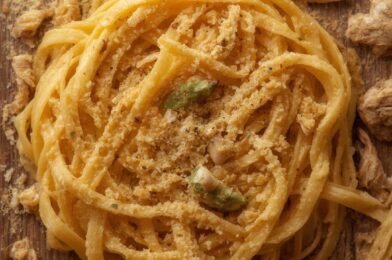
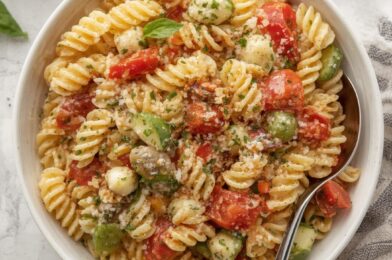
Pasta Modelleri: Lezzetli ve Yaratıcı Tarifler Burada!

Introduction

Italian cuisine has gifted the world with countless culinary treasures, but perhaps none as versatile and beloved as pasta. With hundreds of pasta modelleri (pasta types) available today, this staple food has evolved far beyond its humble beginnings. From the delicate strands of angel hair to the robust tubes of rigatoni, each shape serves a specific purpose in capturing and complementing various sauces and ingredients. This diversity is what makes pasta not just a meal, but an experience that changes with every variety you try. The beautiful thing about makarna çeşitleri (pasta varieties) is that they offer endless possibilities for creativity in the kitchen, regardless of your culinary expertise. Whether you’re a busy parent looking for a quick weeknight dinner or a food enthusiast eager to experiment with authentic Italian techniques, there’s a pasta dish waiting to be discovered. Let’s explore one classic recipe that showcases the wonderful adaptability of pasta.

Ingredients List

For this classic pasta dish that highlights the versatility of pasta modelleri, you’ll need:

For the pasta:
– 500g of your preferred pasta (spaghetti, fettuccine, or penne work well)
– 2 tablespoons salt (for pasta water)
– 4 liters water

For the sauce:
– 3 tablespoons extra virgin olive oil
– 4 cloves garlic, thinly sliced
– 1 medium onion, finely diced
– 400g cherry tomatoes, halved
– 250g fresh spinach leaves
– 200g mushrooms, sliced
– 1 teaspoon dried oregano
– 1 teaspoon dried basil
– ½ teaspoon red pepper flakes (optional)
– Salt and freshly ground black pepper to taste

For garnish:
– Fresh basil leaves, torn
– Grated Parmesan cheese
– Additional olive oil for drizzling

This ingredient list highlights how different makarna çeşitleri can be paired with the same sauce components, allowing for customization based on preference and availability.

Timing

Understanding the timing for preparing different pasta modelleri is crucial for achieving that perfect al dente texture. Here’s a breakdown of the timing for this recipe:

Preparation time: 15 minutes
Cooking time: 25 minutes
Total time: 40 minutes

Note that cooking times will vary slightly depending on which pasta shape you choose. Here’s a quick reference guide for popular makarna çeşitleri:

– Angel hair (Capellini): 2-3 minutes
– Spaghetti: 8-10 minutes
– Fettuccine: 10-12 minutes
– Penne: 10-12 minutes
– Rigatoni: 12-15 minutes
– Farfalle: 10-12 minutes

Always check the package instructions for specific cooking times, as they may vary by brand and thickness.

Step-by-Step Instructions

1. Prepare your workspace: Gather all ingredients and utensils before beginning. Having everything ready will make the cooking process smoother.

2. Boil the water: In a large pot, bring 4 liters of water to a rolling boil. Add 2 tablespoons of salt to the water. The water should taste salty like the sea—this is crucial for flavoring the pasta from within.

3. Cook the pasta: Add your chosen pasta modelleri to the boiling water and cook according to the package instructions until al dente (firm to the bite). Stir occasionally to prevent sticking.

4. Start the sauce: While the pasta cooks, heat olive oil in a large skillet over medium heat. Add the sliced garlic and diced onion, sautéing until translucent (about 3-4 minutes).

5. Add vegetables: Increase heat to medium-high and add the sliced mushrooms. Cook until they begin to brown (about 5 minutes), then add the cherry tomatoes, dried herbs, and red pepper flakes if using.

6. Simmer: Reduce heat to medium and continue cooking until tomatoes soften and release their juices (about 5-7 minutes). Season with salt and pepper.

7. Reserve pasta water: Before draining the pasta, reserve 1 cup of the starchy pasta cooking water.

8. Combine: Drain the pasta and add it directly to the sauce in the skillet. Add the fresh spinach and toss everything together, allowing the heat to wilt the spinach. If the mixture seems dry, add splashes of the reserved pasta water to create a silky sauce that clings to the pasta.

9. Finish: Remove from heat and garnish with torn basil leaves, grated Parmesan cheese, and a light drizzle of olive oil.

10. Serve: Transfer to warm plates or a large serving bowl and enjoy immediately while hot.

This method works beautifully with various makarna çeşitleri, though you may want to consider that thicker pasta shapes like rigatoni or penne hold up better with chunky sauces, while delicate shapes like angel hair pair wonderfully with lighter, oil-based preparations.

Nutritional Information

Understanding the nutritional profile of different pasta modelleri can help you make informed dietary choices. For a standard serving (approximately 2 ounces or 56g dry pasta) of this recipe:

Calories: Approximately 350-400 kcal (varies based on pasta type)
Carbohydrates: 60-70g
Protein: 10-15g
Fat: 9-12g (primarily from olive oil)
Fiber: 3-5g (higher in whole grain pasta varieties)
Sodium: 300-500mg (varies based on salt added)

Different makarna çeşitleri have similar nutritional profiles, with the main variations occurring between refined and whole grain options. Whole grain pasta provides more fiber and micronutrients, making it a more nutritious choice for those monitoring their health.

Healthier Alternatives

For those looking to enjoy pasta modelleri with a healthier twist, consider these alternatives:

1. Whole grain pasta: Contains more fiber and nutrients than traditional white pasta.

2. Legume-based pasta: Made from chickpeas, lentils, or beans, these alternatives offer higher protein and fiber while being naturally gluten-free.

3. Vegetable noodles: “Zoodles” (zucchini noodles) or spiralized vegetables can replace some or all of the pasta for a lower-carb option.

4. Ancient grain pasta: Varieties made from quinoa, amaranth, or spelt offer different nutritional profiles and flavors.

5. Portion control: Simply reducing your pasta portion and increasing vegetables can make a significant difference in the meal’s nutritional balance.

When adapting makarna çeşitleri recipes to be healthier, consider that alternative pastas may have different cooking times and water absorption rates. Generally, they benefit from being slightly undercooked to maintain texture.

Serving Suggestions

The beauty of pasta modelleri lies in their versatility for serving. Here are some suggestions to elevate your pasta experience:

Pairing with protein: Add grilled chicken, shrimp, or white beans to create a more substantial meal.

Seasonal variations: Adapt your vegetable choices based on what’s in season—summer squash and fresh tomatoes in summer, hearty greens and roasted root vegetables in winter.

Wine pairing: A medium-bodied red wine like Chianti or Sangiovese complements tomato-based sauces, while a crisp white wine like Pinot Grigio works well with lighter, oil-based preparations.

Side dishes: A simple green salad dressed with lemon and olive oil or roasted vegetables make perfect accompaniments to balance the meal.

Bread service: Offer crusty Italian bread for sopping up any remaining sauce—an essential part of the pasta dining experience.

Different makarna çeşitleri may inspire different serving styles. For example, stuffed pasta like ravioli often needs minimal accompaniment, while long noodles like spaghetti benefit from being served with a side of bread for twirling assistance.

Common Mistakes

When preparing pasta modelleri, avoid these common pitfalls:

1. Undersalting the pasta water: This is your only chance to season the pasta itself. The water should taste salty like seawater.

2. Overcooking: Pasta should be al dente—with a slight resistance when bitten. Overcooked pasta becomes mushy and loses its ability to hold sauce.

3. Rinsing after cooking: This removes starches that help the sauce adhere to the pasta. Only rinse pasta if using it for cold dishes like pasta salad.

4. Adding oil to pasta water: This is unnecessary and can prevent sauce from adhering properly.

5. Using a pot that’s too small: Pasta needs room to expand and move freely as it cooks.

6. Forgetting to reserve pasta water: This starchy liquid is valuable for adjusting sauce consistency.

7. Choosing the wrong shape: Not all makarna çeşitleri work with every sauce. Generally, thinner sauces pair with delicate shapes, while chunky sauces need pasta with ridges or cavities to capture the sauce.

Storing Tips

Proper storage of both dry and cooked pasta modelleri ensures quality and safety:

For dry pasta:
– Store in a cool, dry place in an airtight container
– Properly stored, it can last 1-2 years
– Check for signs of discoloration or insects before using

For cooked pasta:
– Refrigerate in an airtight container within two hours of cooking
– Consume within 3-5 days
– Reheat thoroughly before consuming

For freezing cooked pasta:
– Slightly undercook the pasta before freezing
– Toss with a small amount of olive oil to prevent sticking
– Freeze in portion-sized containers for up to 3 months
– Reheat directly from frozen by dropping into boiling water briefly or microwaving with a splash of water

Different makarna çeşitleri may store differently—delicate shapes tend to break more easily, while robust shapes hold their form better during storage and reheating.

Conclusion

The world of pasta modelleri offers a culinary canvas limited only by your imagination. From the quick weeknight dinner solution to the centerpiece of a special gathering, pasta’s versatility makes it one of the most beloved foods worldwide. By understanding the nuances of different makarna çeşitleri and how they interact with various sauces and ingredients, you can elevate this humble staple to extraordinary culinary heights. Whether you prefer traditional recipes passed down through generations or contemporary interpretations that push boundaries, pasta provides a foundation for endless creativity in the kitchen. Remember that cooking pasta is as much about technique as it is about ingredients—respecting the cooking time, properly salting the water, and choosing complementary sauces will make all the difference. As you explore the diverse world of pasta, you’ll discover personal favorites and perhaps even develop signature dishes that reflect your unique taste and style.

FAQs

Q: What’s the best pasta shape for thick, chunky sauces?
A: Pasta shapes with ridges, tubes, or cavities like rigatoni, penne, or farfalle are ideal for chunky sauces as they capture sauce components effectively.

Q: Can I cook different pasta modelleri together?
A: It’s not recommended unless they have identical cooking times. Different shapes and thicknesses require different cooking times to reach the perfect al dente texture.

Q: Why is my pasta sticking together after cooking?
A: This typically happens when pasta isn’t stirred during cooking or when it sits too long after draining. Toss freshly drained pasta with sauce immediately or with a small amount of olive oil if not using right away.

Q: Is fresh pasta better than dried pasta?
A: Neither is superior—they’re simply different products with different applications. Dried pasta works better with heartier sauces, while fresh pasta complements delicate, butter or cream-based sauces.

Q: How can I tell when pasta is perfectly cooked?
A: Perfect al dente pasta should offer slight resistance when bitten but without any crunchiness. For a practical test, cut a piece in half—there should be no visible white flour core in the center.

Q: Are all makarna çeşitleri made from the same ingredients?
A: Traditional Italian pasta is made from durum wheat semolina and water (and sometimes eggs for egg pasta). However, you can now find pasta made from alternative grains, legumes, and vegetables for different dietary needs.

Delicious Pasta Salad Recipes for Every Occasion

Introduction

There’s something undeniably satisfying about a well-made pasta salad that brings together the perfect balance of flavors, textures, and colors. This versatile dish has become a staple at picnics, potlucks, and family gatherings across the country, and for good reason. A good pasta salad offers a refreshing alternative to hot dishes, especially during warmer months when lighter fare is preferred. The beauty of pasta salad lies in its adaptability – whether you prefer a Mediterranean-inspired version with olives and feta or a classic American style with mayonnaise and vegetables, the possibilities are virtually endless.

What makes pasta salad particularly appealing is its make-ahead nature. Unlike many dishes that need to be served immediately, pasta salad often tastes better after the flavors have had time to meld together in the refrigerator. This cold pasta salad recipe we’re sharing today combines al dente pasta with crisp vegetables, tangy dressing, and complementary herbs to create a dish that’s both satisfying and refreshing. Whether you’re looking for a side dish for your next barbecue or a complete meal for lunch, this pasta salad recipe is sure to impress.

Ingredients List

For the pasta salad base:
– 1 pound (450g) short pasta (penne, rotini, or farfalle work best)
– 1 cup cherry tomatoes, halved
– 1 medium cucumber, diced
– 1 red bell pepper, diced
– ½ cup red onion, finely chopped
– ½ cup black olives, sliced
– ¼ cup fresh parsley, chopped
– ¼ cup fresh basil leaves, torn

For the dressing:
– ⅓ cup extra virgin olive oil
– 3 tablespoons red wine vinegar
– 1 tablespoon Dijon mustard
– 2 cloves garlic, minced
– 1 teaspoon dried oregano
– ½ teaspoon salt
– ¼ teaspoon black pepper

Optional add-ins:
– 8 ounces mozzarella pearls or feta cheese
– 1 cup artichoke hearts, quartered
– ½ cup sun-dried tomatoes, chopped
– ¼ cup toasted pine nuts
– 1 can chickpeas, drained and rinsed

Timing

Total Time: 30 minutes plus chilling time
– Prep Time: 15 minutes
– Cook Time: 10 minutes
– Chill Time: At least 1 hour (preferably 2-3 hours)

This cold pasta salad can be prepared up to 24 hours in advance, making it perfect for meal prep or entertaining.

Step-by-Step Instructions

1. Cook the pasta: Bring a large pot of salted water to a boil. Add the pasta and cook according to package directions until al dente. Remember that the pasta will continue to absorb liquid from the dressing, so it’s better to slightly undercook than overcook.

2. Cool the pasta properly: Once cooked, drain the pasta in a colander and rinse under cold running water to stop the cooking process. Toss the pasta occasionally as it cools to prevent sticking. For best results, spread the cooled pasta on a baking sheet and drizzle with a little olive oil, tossing to coat. This helps prevent clumping during refrigeration.

3. Prepare the vegetables: While the pasta cools, chop all the vegetables to a uniform size. For the best texture and appearance, aim for pieces that are similar in size to the pasta you’re using.

4. Make the dressing: In a small bowl, whisk together the olive oil, red wine vinegar, Dijon mustard, minced garlic, dried oregano, salt, and pepper until well combined and slightly emulsified.

5. Combine ingredients: In a large mixing bowl, combine the cooled pasta, prepared vegetables, and herbs. Pour the dressing over the mixture and toss gently to coat all ingredients evenly.

6. Add optional ingredients: If using cheese, artichokes, sun-dried tomatoes, pine nuts, or chickpeas, fold them in now. Be gentle to avoid breaking down the more delicate ingredients.

7. Chill before serving: Cover the bowl with plastic wrap and refrigerate for at least one hour, preferably 2-3 hours. This resting time allows the flavors to meld and develop.

8. Final adjustments: Before serving, taste the pasta salad and adjust the seasoning if needed. You may want to add a little more olive oil if the pasta has absorbed too much of the dressing.

Nutritional Information

Per serving (approximately 1 cup, based on 8 servings):
– Calories: 290
– Total Fat: 12g
– Saturated Fat: 2g
– Cholesterol: 0mg
– Sodium: 320mg
– Total Carbohydrates: 40g
– Dietary Fiber: 3g
– Sugars: 3g
– Protein: 7g

Note: Nutritional values will vary based on specific ingredients and any optional add-ins used.

Healthier Alternatives

Making a healthier pasta salad doesn’t mean sacrificing flavor. Consider these modifications:

1. Whole grain pasta: Swap traditional pasta for whole wheat, chickpea, or lentil pasta to increase fiber and protein content.

2. Increase the vegetable ratio: Use more vegetables and less pasta for a lower-carb version that’s still satisfying.

3. Lighten the dressing: Reduce the oil slightly and add a splash of lemon juice or additional vinegar for brightness without extra calories.

4. Add lean protein: Incorporate grilled chicken, canned tuna, or edamame to make this cold pasta salad a complete meal with better nutritional balance.

5. Boost healthy fats: Add avocado chunks just before serving for creaminess and heart-healthy fats.

Serving Suggestions

Pasta salad is incredibly versatile and pairs well with numerous main dishes:

– Serve alongside grilled meats or seafood for a perfect summer meal
– Offer as part of a buffet spread at potlucks or parties
– Pack in containers for picnics or beach outings
– Enjoy as a complete lunch with a slice of crusty bread
– Serve on a bed of greens for an even more vegetable-forward meal

For a visually appealing presentation, consider serving this cold pasta salad in a large, shallow bowl garnished with additional fresh herbs and a drizzle of good quality olive oil.

Common Mistakes

Even experienced cooks can run into issues when making pasta salad. Here’s how to avoid the most common pitfalls:

1. Overcooking the pasta: Always cook pasta to al dente, as it will continue to soften slightly as it absorbs the dressing.

2. Not cooling pasta properly: Rinsing pasta under cold water isn’t just to cool it down—it also removes excess starch that would cause clumping.

3. Under-seasoning: Cold foods need more seasoning than hot ones, so be generous with herbs and seasonings.

4. Adding delicate ingredients too early: Add soft cheese, avocado, or leafy herbs just before serving to maintain their texture and appearance.

5. Dressing too early or too late: Dress the pasta while still slightly warm (but not hot) for maximum flavor absorption, but save some dressing to refresh just before serving.

Storing Tips

Proper storage ensures your pasta salad remains fresh and delicious:

– Store in an airtight container in the refrigerator for up to 3-4 days.
– If preparing in advance for an event, keep delicate ingredients separate and add them just before serving.
– Reserved dressing can help refresh pasta salad that’s been refrigerated overnight, as the pasta tends to absorb liquid.
– Never leave pasta salad at room temperature for more than 2 hours, especially if it contains mayonnaise or cheese.
– Freezing pasta salad is not recommended as the vegetables will become mushy and the dressing may separate upon thawing.

Conclusion

Pasta salad represents the perfect blend of convenience, versatility, and flavor. This cold pasta salad recipe provides a foundation that you can easily customize to suit your preferences or what’s available in your pantry. The key to an exceptional pasta salad lies in the balance of textures, the quality of your dressing, and allowing time for the flavors to develop.

Whether you’re looking for a side dish that travels well to gatherings or a satisfying make-ahead lunch option, pasta salad delivers on all fronts. By following the tips and techniques outlined in this guide, you’ll be able to create a pasta salad that stands out from the ordinary and keeps everyone coming back for seconds.

Remember that the best pasta salad is one that reflects your personal taste preferences. Don’t be afraid to experiment with different ingredients, dressings, and flavor combinations to make this versatile dish your own signature creation.

FAQs

Q: Can I make pasta salad the day before serving?
A: Yes, pasta salad often tastes better the next day as the flavors have time to meld. Reserve a small amount of dressing to refresh it before serving.

Q: Why does my pasta get hard in the refrigerator?
A: Pasta continues to absorb liquid when refrigerated. To prevent hardening, make sure to dress the pasta while it’s still slightly warm and reserve some dressing to add before serving.

Q: Is pasta salad healthy?
A: Traditional pasta salad can be calorie-dense, but with modifications like using whole grain pasta, loading up on vegetables, and choosing lighter dressings, it can be made into a nutritionally balanced dish.

Q: How do I keep pasta from sticking together in pasta salad?
A: Rinse the pasta after cooking, then toss with a small amount of olive oil while it’s still warm. This creates a light coating that prevents sticking.

Q: What’s the best pasta shape for pasta salad?
A: Short, textured pasta shapes like rotini, farfalle (bow ties), penne, or fusilli work best as they hold dressing well and are easy to eat with a fork.

Delicious Pasta Salad Recipe for Every Occasion

Introduction

Creating the perfect pasta salad recipe is an art form that combines simple ingredients with creative flavor combinations. Whether you’re planning a summer picnic, need a quick lunch option, or preparing for a potluck dinner, a versatile cold pasta salad always delivers satisfaction. The beauty of pasta salad lies in its adaptability—you can customize it based on seasonal produce, dietary preferences, or whatever happens to be in your refrigerator. This classic dish strikes the perfect balance between hearty and refreshing, making it an ideal side dish or main course throughout the year. In this comprehensive guide, we’ll walk through everything you need to know to create a delicious pasta salad that will have everyone asking for your recipe.

Ingredients List

For the Base:

  • 16 oz (450g) pasta (rotini, farfalle, or penne work best)
  • 1 cup cherry tomatoes, halved
  • 1 medium cucumber, diced
  • 1 bell pepper (red, yellow, or orange), diced
  • ½ red onion, finely chopped
  • ½ cup black olives, sliced
  • ½ cup feta cheese, crumbled (optional)
  • ¼ cup fresh basil, chopped
  • ¼ cup fresh parsley, chopped

For the Dressing:

  • ⅓ cup extra virgin olive oil
  • 3 tablespoons red wine vinegar
  • 1 tablespoon lemon juice
  • 1 teaspoon Dijon mustard
  • 2 cloves garlic, minced
  • 1 teaspoon dried oregano
  • ½ teaspoon salt
  • ¼ teaspoon black pepper

Optional Add-ins:

  • Grilled chicken strips
  • Salami or pepperoni, diced
  • Artichoke hearts
  • Sun-dried tomatoes
  • Mozzarella pearls
  • Pine nuts or walnuts

Timing

Prep Time: 20 minutes
Cooking Time: 8-10 minutes
Cooling Time: 30 minutes
Total Time: 1 hour

Step-by-Step Instructions

1. Cook the pasta

  • Bring a large pot of water to a boil and add a generous amount of salt.
  • Add pasta and cook according to package instructions until al dente (typically 8-10 minutes).
  • Important: Don’t overcook the pasta as it will continue to absorb liquid from the dressing.
  • Drain thoroughly in a colander and rinse under cold water to stop the cooking process.

2. Prepare the vegetables

  • While the pasta cooks, chop all your vegetables to a uniform size.
  • For the best texture, aim for pieces that are small enough to fit on a fork with the pasta.
  • If using red onion, you can soak the chopped pieces in cold water for 5-10 minutes to reduce their sharpness.

3. Make the dressing

  • In a small bowl or jar, combine all dressing ingredients.
  • Whisk vigorously or shake (if using a jar with a lid) until well combined and emulsified.
  • Taste and adjust seasonings if needed.

4. Assemble the pasta salad

  • Place the cooled pasta in a large mixing bowl.
  • Add about half of the dressing and toss well.
  • Add all chopped vegetables, olives, and herbs to the bowl.
  • Pour the remaining dressing over the salad and toss everything together.
  • If using cheese or optional add-ins, gently fold them in now.

5. Chill before serving

  • Cover the pasta salad and refrigerate for at least 30 minutes.
  • This chilling time allows the flavors to meld together.
  • For the best taste, remove from the refrigerator about 15 minutes before serving.

Nutritional Information

The following nutritional information is approximate per serving (based on 8 servings) for the basic pasta salad recipe without optional add-ins:

  • Calories: 290
  • Carbohydrates: 40g
  • Protein: 8g
  • Fat: 12g
  • Saturated Fat: 2g
  • Sodium: 220mg
  • Fiber: 3g
  • Sugar: 3g

Note: These values will change depending on the specific ingredients used and any additional add-ins. Using whole wheat pasta will increase the fiber content, while adding proteins like chicken will increase the protein and calorie count.

Healthier Alternatives

Looking to make your cold pasta salad more nutritious? Try these healthier swaps and additions:

  • Pasta options: Substitute regular pasta with whole wheat, chickpea, lentil, or gluten-free pasta for added fiber and nutrients.
  • Increase the vegetables: Double the amount of vegetables to boost nutritional value and reduce the calorie density.
  • Lighter dressing: Use Greek yogurt as a base for a creamy dressing with less oil, or reduce the oil and increase the vinegar ratio.
  • Add protein: Incorporate legumes like chickpeas or white beans for plant-based protein.
  • Reduce cheese: Use a smaller amount of strongly flavored cheese like parmesan or feta instead of mild cheeses to maintain flavor while reducing calories.
  • Fresh herbs: Add more fresh herbs like dill, cilantro, or mint for flavor without additional calories.
  • Healthy fats: Include avocado or a small amount of nuts and seeds for healthy fats that help with nutrient absorption.

Serving Suggestions

The versatility of a good pasta salad recipe means it pairs well with numerous dishes:

  • Serve alongside grilled meats like chicken, steak, or fish
  • Offer as part of a buffet spread at parties or gatherings
  • Pack in lunch boxes with a side of fruit
  • Present on a bed of fresh greens for a more substantial meal
  • Pair with crusty bread and a light soup for a complete dinner
  • Bring to picnics or beach outings in a cooler
  • Serve at room temperature at outdoor summer barbecues

For an impressive presentation, consider serving your cold pasta salad in a large glass bowl to showcase the colorful ingredients, or in individual mason jars for a portable option.

Common Mistakes

Avoid these pitfalls when preparing your pasta salad:

1. Overcooking pasta: Always cook pasta al dente as it will continue to soften as it absorbs dressing.
2. Not cooling pasta properly: Hot pasta will continue cooking and can make vegetables wilt and cheese melt.
3. Under-seasoning: Cold dishes often need more seasoning than hot ones; taste and adjust accordingly.
4. Overdressing initially: Start with less dressing than you think you’ll need—you can always add more before serving.
5. Not allowing time for flavors to develop: Making pasta salad at the last minute won’t allow flavors to meld properly.
6. Using delicate vegetables too early: Add tender greens or soft herbs just before serving to prevent wilting.
7. Forgetting texture contrast: Include crunchy elements like nuts or crisp vegetables to balance the soft pasta.

Storing Tips

Proper storage ensures your pasta salad remains delicious for multiple days:

  • Store in an airtight container in the refrigerator for up to 3-4 days.
  • If preparing in advance, consider keeping some components separate—store dressing, delicate herbs, and crunchy elements separately and combine just before serving.
  • For meal prep purposes, portion into individual containers for grab-and-go lunches.
  • Before serving leftover pasta salad, give it a good stir and refresh with a splash of olive oil and vinegar or lemon juice.
  • If your pasta salad seems dry after refrigeration, this is normal as the pasta absorbs dressing over time—simply add a small amount of additional dressing.

Conclusion

Mastering a versatile pasta salad recipe is a valuable skill for any home cook. This endlessly adaptable dish provides a canvas for creativity while delivering satisfying meals with minimal effort. Whether you’re following our classic Mediterranean-inspired version or creating your own unique combination, the principles remain the same—quality ingredients, proper pasta cooking, balanced dressing, and thoughtful assembly. Cold pasta salad is more than just a side dish; it’s a celebration of flavors that can be customized to suit any season, occasion, or dietary preference. With the techniques and tips shared here, you’ll be able to confidently create pasta salads that impress friends and family while providing nutritious, delicious meals throughout the year.

FAQs

Can I make pasta salad ahead of time?
Yes, pasta salad actually improves when made 1-2 days ahead as it gives flavors time to develop. Just reserve some dressing to refresh it before serving.

How do I prevent my pasta salad from drying out?
Toss the pasta with a small amount of olive oil while it’s still warm, then add dressing while the pasta is still slightly warm to help it absorb the flavors without drying out.

What’s the best pasta shape for pasta salad?
Short, textured pasta shapes like rotini, farfalle (bow tie), fusilli, or penne work best because they hold dressing well and are easy to eat.

Is pasta salad healthy?
It can be! Increase vegetables, use whole grain pasta, add lean proteins, and make a lighter dressing for a more nutritious version.

How long can pasta salad sit out at room temperature?
For food safety, don’t leave pasta salad at room temperature for more than 2 hours, or 1 hour if the temperature is above 90°F (32°C).

Can I freeze pasta salad?
Freezing is not recommended as the texture of the pasta and vegetables will deteriorate upon thawing, resulting in a mushy salad.

How do I fix a bland pasta salad?
Add more acid (vinegar or lemon juice), salt, fresh herbs, or a sprinkle of parmesan cheese. Sometimes a pinch of red pepper flakes can also wake up flavors.

What can I add to make my pasta salad more filling?
Add proteins like grilled chicken, tuna, hard-boiled eggs, chickpeas, or cheese to make your pasta salad more substantial as a main dish.

Delicious Pasta Recipes for Every Taste Bud

Introduction

Exploring the world of pasta recipes is like embarking on a delicious journey through Italian culinary traditions. From the rolling hills of Tuscany to the coastal villages of Sicily, Italian pasta dishes have been perfected over centuries, offering an incredible variety of flavors, textures, and cooking techniques. This classic Spaghetti Carbonara recipe captures the essence of authentic Italian cooking—simple ingredients transformed into something extraordinary. Whether you’re a seasoned home chef or just beginning your culinary adventures, this dish delivers restaurant-quality results with minimal effort. The combination of crispy pancetta, creamy eggs, sharp cheese, and perfectly al dente pasta creates a harmonious balance that has made this dish a staple on dinner tables worldwide. Let’s dive into this timeless recipe that showcases why pasta remains one of the most beloved and versatile foundations for countless memorable meals.

Ingredients List

For this classic carbonara (serves 4), you’ll need:

• 1 pound (454g) spaghetti
• 8 ounces (225g) pancetta or guanciale, diced
• 4 large eggs, room temperature
• 1 cup (100g) freshly grated Pecorino Romano cheese
• ½ cup (50g) freshly grated Parmigiano Reggiano cheese
• 2 cloves garlic, minced (optional)
• 1 tablespoon olive oil
• Freshly ground black pepper (generous amount)
• Salt for pasta water
• Fresh parsley, chopped (for garnish)

Chef’s Note: While many modern Italian pasta dishes include garlic in carbonara, purists might skip it. This recipe includes it as an optional ingredient, allowing you to decide based on your preference.

Timing

• Prep time: 15 minutes
• Cook time: 15 minutes
• Total time: 30 minutes

This quick-cooking time makes carbonara one of the most weeknight-friendly pasta recipes in any home cook’s repertoire. The efficiency-to-satisfaction ratio is unmatched among Italian pasta dishes!

Step-by-Step Instructions

1. Prepare the cheese and egg mixture:
– In a medium bowl, whisk together the eggs until well combined.
– Add the grated Pecorino Romano and Parmigiano Reggiano cheeses to the eggs.
– Add a generous amount of freshly ground black pepper (this is the “carbone” or “coal” that gives carbonara its name).
– Whisk until thoroughly combined, then set aside.

2. Cook the pasta:
– Bring a large pot of water to a rolling boil.
– Add salt generously (the water should taste like the sea).
– Add the spaghetti and cook according to package instructions until al dente (typically 8-10 minutes).
– Before draining, reserve 1 cup of the starchy pasta cooking water.

3. Prepare the pancetta:
– While the pasta cooks, heat olive oil in a large skillet over medium heat.
– If using, add the minced garlic and sauté for 30 seconds until fragrant.
– Add the diced pancetta or guanciale and cook until crisp and the fat has rendered, about 5-7 minutes.
– Remove from heat and set aside, keeping the rendered fat in the pan.

4. Combine and create the sauce:
– Drain the cooked pasta and immediately add it to the skillet with the pancetta.
– Working quickly, toss the pasta in the rendered fat to coat evenly.
– Allow the pasta to cool for about 30 seconds (this prevents the eggs from scrambling).
– Pour the egg and cheese mixture over the pasta while continuously tossing or stirring.
– Add splashes of the reserved pasta water as needed to create a smooth, silky sauce that coats each strand of pasta.

5. Finish and serve:
– The residual heat from the pasta will cook the eggs just enough to create a creamy sauce.
– Serve immediately, garnished with additional grated cheese, black pepper, and chopped parsley.

Pro Tip: The key to perfect carbonara lies in the timing of adding the egg mixture. The pasta should be hot enough to cook the eggs slightly but not so hot that they scramble. Continuous tossing is crucial to achieving that signature silky texture that makes this one of the most beloved pasta recipes worldwide.

Nutritional Information

Per serving (approximate values):

• Calories: 750
• Protein: 35g
• Carbohydrates: 75g
• Fat: 35g
• Saturated Fat: 14g
• Cholesterol: 240mg
• Sodium: 900mg
• Fiber: 3g

This traditional dish is calorie-dense due to the eggs, cheese, and pancetta, but can be enjoyed as part of a balanced diet when paired with lighter sides like a fresh salad.

Healthier Alternatives

While authentic carbonara is inherently rich, you can make adjustments to create a lighter version:

Protein adjustment: Substitute pancetta with turkey bacon or even mushrooms for a meat-free alternative.

Pasta selection: Use whole wheat or legume-based pasta for additional fiber and nutrients. These alternative pasta recipes still work beautifully with the carbonara technique.

Egg modification: Use 2 whole eggs and 2 egg whites instead of 4 whole eggs to reduce cholesterol.

Cheese considerations: Reduce the cheese quantities by about 25% and choose a well-aged cheese that has a stronger flavor, allowing you to use less without sacrificing taste.

Portion control: Serve smaller portions as a first course (primo piatto) in the traditional Italian style, followed by a protein and vegetable course.

Balance Perspective: While these modifications create a lighter dish, they do move away from the traditional recipe. Many Italian pasta dishes are meant to be enjoyed in their authentic form as occasional treats rather than significantly altered.

Serving Suggestions

Carbonara shines when properly paired with complementary dishes and beverages:

Wine pairing: A crisp white wine like Frascati or Pinot Grigio balances the richness of the dish perfectly. For red wine lovers, a light-bodied Chianti works wonderfully.

Side dishes: A simple arugula salad with lemon vinaigrette offers a refreshing contrast to the creamy pasta.

Starter options: Begin with light antipasti such as marinated vegetables or a small caprese salad.

Bread considerations: While tempting, heavy garlic bread might overwhelm the delicate flavors of the carbonara. Instead, offer a light, crusty Italian bread for sopping up any remaining sauce.

Complete meal structure: For a full Italian dining experience, serve smaller portions of pasta followed by a simple protein like grilled chicken or fish with seasonal vegetables.

Common Mistakes

Even experienced cooks sometimes struggle with carbonara. Here are pitfalls to avoid:

1. Scrambling the eggs: Adding the egg mixture to pasta that’s too hot results in carbonara’s most common failure. Allow the pasta to cool slightly and keep tossing continuously.

2. Using pre-grated cheese: Pre-packaged grated cheese contains anti-caking agents that prevent proper melting. Always grate your cheese fresh for authentic Italian pasta dishes.

3. Adding cream: Traditional carbonara contains no cream. The creamy texture comes solely from the eggs and cheese combined with starchy pasta water.

4. Overcooking the pasta: Perfectly al dente pasta is essential, as it will continue cooking slightly when tossed with the hot pancetta and fat.

5. Not using enough pepper: The “carbone” in carbonara refers to the generous amount of black pepper that gives the dish its distinctive flavor and appearance.

6. Using bacon instead of pancetta/guanciale: While possible in a pinch, regular bacon is often smoky, which changes the dish’s flavor profile significantly.

Storing Tips

While carbonara is best enjoyed immediately after preparation, here are some storage guidelines:

Refrigeration: If you must store leftovers, place in an airtight container in the refrigerator for up to 2 days.

Reheating method: To reheat, place in a skillet over low heat with a splash of water, tossing gently until just warmed through. Avoid microwave reheating, which tends to make the eggs rubbery.

Freezing: Not recommended. The egg-based sauce will separate and lose its creamy texture upon thawing.

Advance preparation: If planning ahead, you can pre-cook the pancetta and grate the cheese in advance, but the final dish should be assembled just before serving.

Conclusion

Carbonara represents the beautiful simplicity found in many classic Italian pasta dishes. With just a handful of quality ingredients and proper technique, you can create a restaurant-worthy meal that’s simultaneously sophisticated and comforting. The magic happens in that perfect moment when hot pasta, eggs, cheese, and pancetta come together to create something far greater than the sum of its parts. By understanding the principles behind this dish, you’ll not only master carbonara but gain insights that transfer to countless other pasta recipes. Remember that Italian cooking is about respecting ingredients and tradition while allowing your own touch to shine through. Whether you’re preparing a romantic dinner for two or a family meal, this timeless carbonara recipe promises to deliver satisfaction and perhaps become your new go-to dish when you’re craving something special yet achievable on even the busiest weeknights.

FAQs

Can I make carbonara with a different type of pasta?
Yes! While spaghetti is traditional, you can use other long pasta like fettuccine or linguine. Short pasta like rigatoni or penne also works well, as the tubular shape captures the sauce nicely.

Is it safe to eat a sauce made with raw eggs?
The heat from the pasta partially cooks the eggs, but they remain somewhat undercooked. Use the freshest, highest-quality eggs possible. If concerned, pasteurized eggs can be used as an alternative.

Why did my sauce turn lumpy?
This happens when the eggs cook too quickly and begin to scramble. To prevent this, temporarily remove the pan from heat when adding the egg mixture and keep the pasta moving constantly.

Can I make a vegetarian version of carbonara?
Yes! Try substituting the pancetta with sautéed mushrooms, which provide a similar umami flavor and meaty texture. Smoked sun-dried tomatoes can also add depth.

What’s the difference between pancetta and guanciale?
Both are Italian cured pork products, but guanciale is made from pork jowl or cheek, while pancetta comes from pork belly. Guanciale has a more intense flavor and is traditional in authentic carbonara.

Delicious Pasta Recipes You Need to Try Today!

Introduction

There’s something undeniably comforting about a perfectly cooked plate of pasta. Whether it’s a quick weeknight dinner or an elaborate weekend feast, pasta dishes have secured their place in kitchens worldwide. This versatile staple transcends cultures and cuisines, offering endless possibilities for creativity and flavor combinations. Today, we’re diving into the art of preparing a classic pasta dish that balances simplicity with rich, satisfying flavors.

The beauty of pasta lies in its adaptability. From the hearty spaghetti bolognese that warms you on cold evenings to the light summer pasta salads that refresh during warmer months, there’s a pasta dish for every season and occasion. What makes pasta truly special is how it brings people together – families gathering around the dinner table, friends sharing a meal, or even solo cooks treating themselves to a bowl of comfort.

As we explore this recipe, we’ll discover not just the mechanics of cooking pasta to perfection, but also the little touches that elevate a simple dish into something memorable. Whether you’re a novice cook or a seasoned chef, there’s always something new to learn about this beloved carbohydrate that has graced dining tables for centuries.

Ingredients List

For this classic pasta dish, you’ll need:

For the pasta base:
– 1 pound (450g) of quality pasta (spaghetti works wonderfully here)
– 4 quarts (3.8 liters) of water
– 2 tablespoons of salt for the cooking water

For the sauce:
– 3 tablespoons extra virgin olive oil
– 4 cloves garlic, minced
– 1 medium onion, finely diced
– 1 can (28oz/800g) San Marzano tomatoes, crushed
– 1 teaspoon dried oregano
– 1 teaspoon dried basil (or 2 tablespoons fresh, chopped)
– ½ teaspoon red pepper flakes (adjust to taste)
– Salt and freshly ground black pepper to taste

For garnish:
– Fresh basil leaves
– Freshly grated Parmesan cheese
– Extra virgin olive oil for drizzling

The quality of your ingredients will significantly impact the final dish. For the pasta, choose a brand that uses durum wheat semolina for that perfect al dente texture. If spaghetti isn’t your preference, feel free to substitute with linguine, fettuccine, or even penne – each pasta shape offers a slightly different eating experience but works beautifully with this sauce.

Timing

Understanding timing is crucial for pasta perfection. Here’s a breakdown:

Total Time: 35 minutes
– Prep Time: 10 minutes
– Cook Time: 25 minutes

For the best results, coordinate your sauce and pasta cooking times. Start the sauce first, as it needs longer to develop flavors. Begin boiling your pasta water while the sauce simmers. This synchronization ensures your pasta is freshly cooked when the sauce reaches its peak flavor profile.

A common mistake is starting the pasta too early, resulting in it sitting and becoming sticky while waiting for the sauce. Alternatively, having your sauce ready while your pasta is still undercooked creates unnecessary pressure. With proper timing, everything comes together harmoniously for the perfect plate.

Step-by-Step Instructions

Preparing the Sauce:

1. Heat the olive oil in a large, deep skillet over medium heat until it shimmers.
2. Add the diced onion and cook for 3-4 minutes until translucent but not browned.
3. Add the minced garlic and cook for another 30-45 seconds until fragrant, being careful not to burn it.
4. Pour in the crushed tomatoes, stirring to combine with the aromatics.
5. Add the dried oregano, basil, red pepper flakes, salt, and black pepper.
6. Reduce heat to low and let the sauce simmer uncovered for 15-20 minutes, stirring occasionally.
7. The sauce should reduce slightly and develop a deeper flavor. If using fresh basil, stir it in during the last 2 minutes of cooking.

Cooking the Pasta:

1. While the sauce simmers, bring the 4 quarts of water to a rolling boil in a large pot.
2. Add 2 tablespoons of salt to the boiling water – this may seem like a lot, but properly salted water is key to flavorful pasta.
3. Add the spaghetti to the water, stirring immediately to prevent sticking.
4. Cook according to package directions until al dente (typically 8-10 minutes for dried spaghetti).
5. Before draining, reserve 1 cup of the starchy pasta water.
6. Drain the pasta but do not rinse – the starch on the surface helps the sauce adhere.

Bringing It All Together:

1. Add the drained pasta directly to the sauce in the skillet.
2. Toss thoroughly to coat each strand, adding a splash of reserved pasta water as needed to loosen the sauce.
3. Cook together for 1-2 minutes, allowing the pasta to absorb some of the sauce’s flavors.
4. Taste and adjust seasonings if necessary.

Nutritional Information

Understanding the nutritional content of your pasta dish helps make informed dietary choices:

Per serving (based on 4 servings):
– Calories: Approximately 420-450
– Carbohydrates: 65-70g
– Protein: 12-15g
– Fat: 10-12g
– Fiber: 4-5g
– Sodium: 600-800mg (varies based on salt usage)

These values are estimates and may vary based on specific ingredients and portion sizes. The traditional pasta dish provides substantial carbohydrates for energy, moderate protein content, and a reasonable amount of healthy fats from the olive oil.

Healthier Alternatives

For those looking to adjust this classic pasta dish for dietary preferences or restrictions:

Lower-Carb Options:
– Substitute regular pasta with zucchini noodles (“zoodles”)
– Try spaghetti squash for a vegetable-based alternative
– Use chickpea or lentil pasta for increased protein and fiber

Gluten-Free Choices:
– Rice pasta maintains a similar texture to wheat-based versions
– Corn pasta offers a slightly sweeter flavor profile
– Quinoa pasta provides additional protein

Reducing Sodium:
– Decrease salt in the pasta water
– Use low-sodium canned tomatoes
– Enhance flavor with fresh herbs instead of salt

Boosting Nutrition:
– Add diced vegetables to the sauce (bell peppers, carrots, spinach)
– Include lean protein like grilled chicken or shrimp
– Incorporate nutrient-rich mushrooms for additional texture and umami

Remember, these modifications may alter the traditional flavor profile but can make the dish suitable for various dietary needs while maintaining its comforting essence.

Serving Suggestions

Elevate your pasta experience with these thoughtful serving ideas:

Accompaniments:
– A simple green salad with a light vinaigrette balances the richness of the pasta
– Garlic bread or focaccia for sopping up extra sauce
– Roasted vegetables as a nutritious side

Beverage Pairings:
– A medium-bodied Italian red wine like Chianti or Montepulciano
– For non-alcoholic options, sparkling water with a squeeze of lemon
– Iced tea with fresh mint for a refreshing contrast

Presentation Ideas:
– Serve family-style in a large, warmed pasta bowl
– For individual plating, use pasta tongs to create a neat spiral of spaghetti
– Add a final drizzle of quality olive oil and a sprinkle of freshly grated cheese tableside

The traditional approach involves twirling the pasta with a fork, using the spoon as a support. However, in Italy, many locals skip the spoon entirely, using just the fork against the plate’s edge – a technique worth mastering for an authentic experience.

Common Mistakes

Avoid these pitfalls for pasta perfection:

Cooking Errors:
– Undercooking or overcooking the pasta instead of achieving true al dente texture
– Using a pot that’s too small, causing the pasta to clump together
– Not stirring the pasta initially, resulting in sticking
– Rinsing pasta after cooking, which removes the starch needed for sauce adhesion

Sauce Missteps:
– Rushing the sauce development instead of allowing flavors to properly meld
– Oversalting, which cannot be corrected easily once done
– Using low-quality canned tomatoes that lack depth of flavor
– Adding too many competing ingredients that muddle the traditional profile

Serving Issues:
– Allowing the pasta to cool before serving, which affects texture
– Not properly incorporating the pasta and sauce together
– Drowning the pasta in too much sauce, overwhelming its flavor
– Using pre-grated cheese, which lacks the freshness and flavor of freshly grated

By avoiding these common errors, your pasta dish will showcase the beautiful simplicity and authentic flavors that make Italian cuisine so beloved worldwide.

Storing Tips

Proper storage ensures your pasta remains enjoyable even as leftovers:

Short-term Storage:
– Allow any leftovers to cool completely before refrigerating
– Store pasta and sauce together in an airtight container
– Refrigerate for up to 3-4 days
– Add a few drops of olive oil to prevent excessive sticking

Reheating Methods:
– Microwave: Add a splash of water, cover loosely, and heat on medium power, stirring halfway through
– Stovetop: Warm in a skillet over medium-low heat, adding a tablespoon of water to rejuvenate the sauce
– Oven: For larger portions, cover with foil and bake at 350°F (175°C) until heated through

Freezing Guidance:
– While possible to freeze, pasta texture often suffers upon thawing
– If freezing, slightly undercook the pasta initially
– Freeze sauce and pasta separately when possible
– Use within 1-2 months for best quality
– Thaw in the refrigerator overnight before reheating

For the best experience, pasta is ideally enjoyed fresh. However, with proper storage and reheating techniques, leftovers can still provide a satisfying meal with minimal quality loss.

Conclusion

The humble pasta dish we’ve explored represents more than just sustenance—it’s a celebration of simplicity, quality ingredients, and time-honored techniques. Whether you’re tossing spaghetti with our classic sauce or experimenting with variations, the fundamental principles remain: respect for ingredients, attention to cooking details, and the joy of sharing good food.

What makes pasta endure as a global favorite is its remarkable versatility combined with comforting familiarity. It welcomes both tradition and innovation, serving as a blank canvas for culinary creativity while honoring its rich heritage. From the precise al dente texture to the harmonious marriage with sauce, each element contributes to the overall experience.

As you perfect your pasta-making skills, remember that the most memorable dishes often come from understanding the basics deeply rather than complicated techniques. The satisfaction of twirling perfectly cooked spaghetti around your fork, capturing just the right amount of sauce, is one of the simple pleasures that makes cooking at home so rewarding.

FAQs

How can I tell when pasta is perfectly al dente?
Al dente pasta should offer slight resistance when bitten, without any chalky center. Start testing about a minute before the package’s suggested cooking time. For spaghetti, it should hold its shape when lifted but be tender enough to bite through easily.

Why does restaurant pasta taste better than mine at home?
Restaurants often finish cooking the pasta in the sauce, allowing it to absorb flavors. They also liberally salt their pasta water and use starchy pasta water to create silky sauces. Additionally, they typically use higher-heat cooking methods and professional-grade ingredients.

Should I add oil to my pasta water?
No, this is unnecessary and counterproductive. Oil floats on water’s surface and ultimately coats the pasta when drained, preventing sauce from adhering properly. Instead, use a large pot with plenty of water and stir occasionally to prevent sticking.

What’s the ideal pasta-to-sauce ratio?
The traditional Italian approach favors a balanced ratio where pasta remains the star, enhanced rather than overwhelmed by sauce. Typically, 1 cup of sauce is sufficient for 1 pound (450g) of pasta, though personal preference may vary.

Can I prepare pasta dishes in advance for parties?
Yes, with some adjustments. Cook the pasta slightly underdone, toss with a little olive oil, and refrigerate separately from the sauce. When ready to serve, briefly immerse the pasta in boiling water to refresh it, then combine with the reheated sauce and finish cooking together for 1-2 minutes.