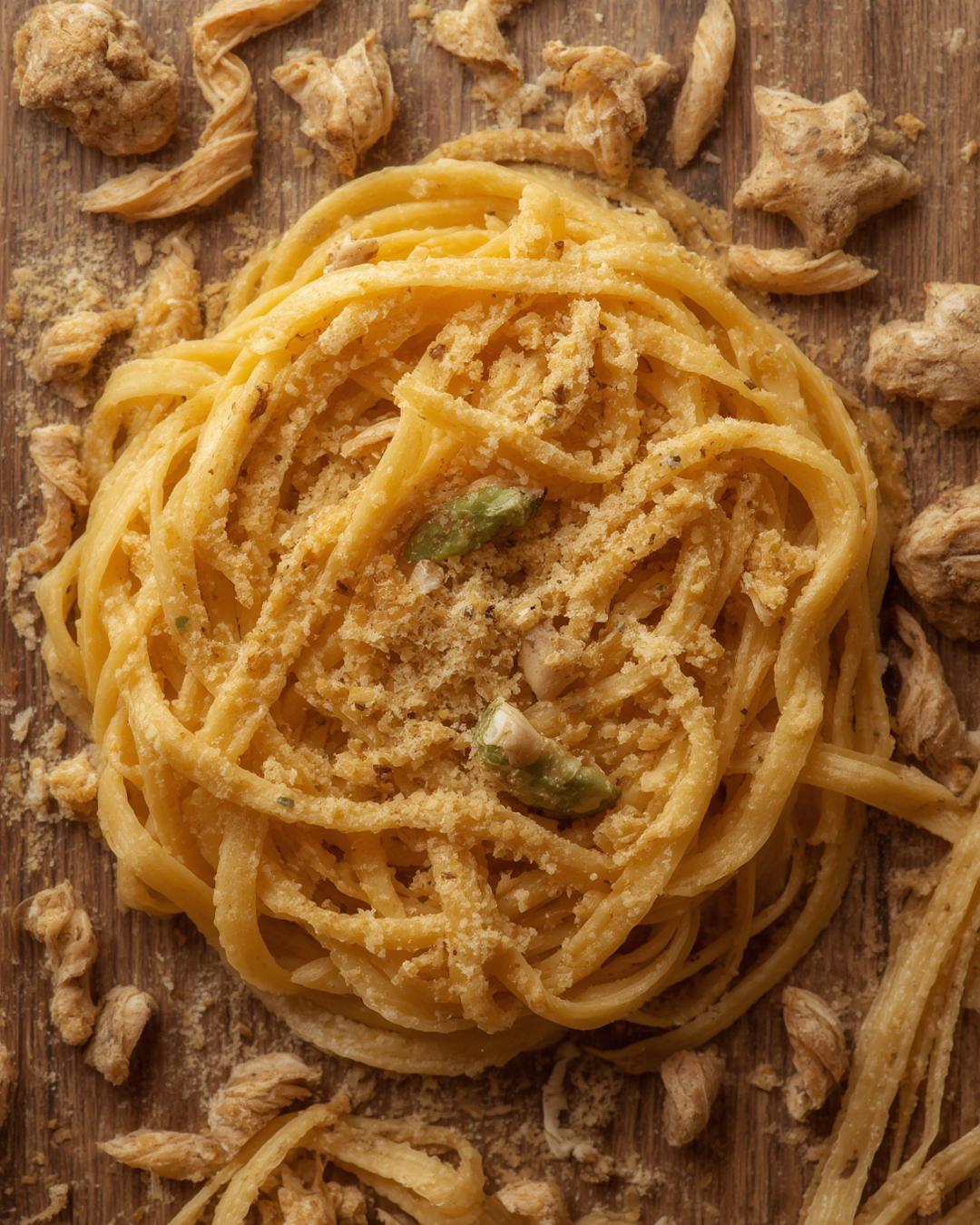
Introduction
Italian cuisine has gifted the world with countless culinary treasures, but perhaps none as versatile and beloved as pasta. With hundreds of pasta modelleri (pasta types) available today, this staple food has evolved far beyond its humble beginnings. From the delicate strands of angel hair to the robust tubes of rigatoni, each shape serves a specific purpose in capturing and complementing various sauces and ingredients. This diversity is what makes pasta not just a meal, but an experience that changes with every variety you try. The beautiful thing about makarna çeşitleri (pasta varieties) is that they offer endless possibilities for creativity in the kitchen, regardless of your culinary expertise. Whether you’re a busy parent looking for a quick weeknight dinner or a food enthusiast eager to experiment with authentic Italian techniques, there’s a pasta dish waiting to be discovered. Let’s explore one classic recipe that showcases the wonderful adaptability of pasta.
Ingredients List
For this classic pasta dish that highlights the versatility of pasta modelleri, you’ll need:
For the pasta:
– 500g of your preferred pasta (spaghetti, fettuccine, or penne work well)
– 2 tablespoons salt (for pasta water)
– 4 liters water
For the sauce:
– 3 tablespoons extra virgin olive oil
– 4 cloves garlic, thinly sliced
– 1 medium onion, finely diced
– 400g cherry tomatoes, halved
– 250g fresh spinach leaves
– 200g mushrooms, sliced
– 1 teaspoon dried oregano
– 1 teaspoon dried basil
– ½ teaspoon red pepper flakes (optional)
– Salt and freshly ground black pepper to taste
For garnish:
– Fresh basil leaves, torn
– Grated Parmesan cheese
– Additional olive oil for drizzling
This ingredient list highlights how different makarna çeşitleri can be paired with the same sauce components, allowing for customization based on preference and availability.
Timing
Understanding the timing for preparing different pasta modelleri is crucial for achieving that perfect al dente texture. Here’s a breakdown of the timing for this recipe:
– Preparation time: 15 minutes
– Cooking time: 25 minutes
– Total time: 40 minutes
Note that cooking times will vary slightly depending on which pasta shape you choose. Here’s a quick reference guide for popular makarna çeşitleri:
– Angel hair (Capellini): 2-3 minutes
– Spaghetti: 8-10 minutes
– Fettuccine: 10-12 minutes
– Penne: 10-12 minutes
– Rigatoni: 12-15 minutes
– Farfalle: 10-12 minutes
Always check the package instructions for specific cooking times, as they may vary by brand and thickness.
Step-by-Step Instructions
1. Prepare your workspace: Gather all ingredients and utensils before beginning. Having everything ready will make the cooking process smoother.
2. Boil the water: In a large pot, bring 4 liters of water to a rolling boil. Add 2 tablespoons of salt to the water. The water should taste salty like the sea—this is crucial for flavoring the pasta from within.
3. Cook the pasta: Add your chosen pasta modelleri to the boiling water and cook according to the package instructions until al dente (firm to the bite). Stir occasionally to prevent sticking.
4. Start the sauce: While the pasta cooks, heat olive oil in a large skillet over medium heat. Add the sliced garlic and diced onion, sautéing until translucent (about 3-4 minutes).
5. Add vegetables: Increase heat to medium-high and add the sliced mushrooms. Cook until they begin to brown (about 5 minutes), then add the cherry tomatoes, dried herbs, and red pepper flakes if using.
6. Simmer: Reduce heat to medium and continue cooking until tomatoes soften and release their juices (about 5-7 minutes). Season with salt and pepper.
7. Reserve pasta water: Before draining the pasta, reserve 1 cup of the starchy pasta cooking water.
8. Combine: Drain the pasta and add it directly to the sauce in the skillet. Add the fresh spinach and toss everything together, allowing the heat to wilt the spinach. If the mixture seems dry, add splashes of the reserved pasta water to create a silky sauce that clings to the pasta.
9. Finish: Remove from heat and garnish with torn basil leaves, grated Parmesan cheese, and a light drizzle of olive oil.
10. Serve: Transfer to warm plates or a large serving bowl and enjoy immediately while hot.
This method works beautifully with various makarna çeşitleri, though you may want to consider that thicker pasta shapes like rigatoni or penne hold up better with chunky sauces, while delicate shapes like angel hair pair wonderfully with lighter, oil-based preparations.
Nutritional Information
Understanding the nutritional profile of different pasta modelleri can help you make informed dietary choices. For a standard serving (approximately 2 ounces or 56g dry pasta) of this recipe:
– Calories: Approximately 350-400 kcal (varies based on pasta type)
– Carbohydrates: 60-70g
– Protein: 10-15g
– Fat: 9-12g (primarily from olive oil)
– Fiber: 3-5g (higher in whole grain pasta varieties)
– Sodium: 300-500mg (varies based on salt added)
Different makarna çeşitleri have similar nutritional profiles, with the main variations occurring between refined and whole grain options. Whole grain pasta provides more fiber and micronutrients, making it a more nutritious choice for those monitoring their health.
Healthier Alternatives
For those looking to enjoy pasta modelleri with a healthier twist, consider these alternatives:
1. Whole grain pasta: Contains more fiber and nutrients than traditional white pasta.
2. Legume-based pasta: Made from chickpeas, lentils, or beans, these alternatives offer higher protein and fiber while being naturally gluten-free.
3. Vegetable noodles: “Zoodles” (zucchini noodles) or spiralized vegetables can replace some or all of the pasta for a lower-carb option.
4. Ancient grain pasta: Varieties made from quinoa, amaranth, or spelt offer different nutritional profiles and flavors.
5. Portion control: Simply reducing your pasta portion and increasing vegetables can make a significant difference in the meal’s nutritional balance.
When adapting makarna çeşitleri recipes to be healthier, consider that alternative pastas may have different cooking times and water absorption rates. Generally, they benefit from being slightly undercooked to maintain texture.
Serving Suggestions
The beauty of pasta modelleri lies in their versatility for serving. Here are some suggestions to elevate your pasta experience:
– Pairing with protein: Add grilled chicken, shrimp, or white beans to create a more substantial meal.
– Seasonal variations: Adapt your vegetable choices based on what’s in season—summer squash and fresh tomatoes in summer, hearty greens and roasted root vegetables in winter.
– Wine pairing: A medium-bodied red wine like Chianti or Sangiovese complements tomato-based sauces, while a crisp white wine like Pinot Grigio works well with lighter, oil-based preparations.
– Side dishes: A simple green salad dressed with lemon and olive oil or roasted vegetables make perfect accompaniments to balance the meal.
– Bread service: Offer crusty Italian bread for sopping up any remaining sauce—an essential part of the pasta dining experience.
Different makarna çeşitleri may inspire different serving styles. For example, stuffed pasta like ravioli often needs minimal accompaniment, while long noodles like spaghetti benefit from being served with a side of bread for twirling assistance.
Common Mistakes
When preparing pasta modelleri, avoid these common pitfalls:
1. Undersalting the pasta water: This is your only chance to season the pasta itself. The water should taste salty like seawater.
2. Overcooking: Pasta should be al dente—with a slight resistance when bitten. Overcooked pasta becomes mushy and loses its ability to hold sauce.
3. Rinsing after cooking: This removes starches that help the sauce adhere to the pasta. Only rinse pasta if using it for cold dishes like pasta salad.
4. Adding oil to pasta water: This is unnecessary and can prevent sauce from adhering properly.
5. Using a pot that’s too small: Pasta needs room to expand and move freely as it cooks.
6. Forgetting to reserve pasta water: This starchy liquid is valuable for adjusting sauce consistency.
7. Choosing the wrong shape: Not all makarna çeşitleri work with every sauce. Generally, thinner sauces pair with delicate shapes, while chunky sauces need pasta with ridges or cavities to capture the sauce.
Storing Tips
Proper storage of both dry and cooked pasta modelleri ensures quality and safety:
For dry pasta:
– Store in a cool, dry place in an airtight container
– Properly stored, it can last 1-2 years
– Check for signs of discoloration or insects before using
For cooked pasta:
– Refrigerate in an airtight container within two hours of cooking
– Consume within 3-5 days
– Reheat thoroughly before consuming
For freezing cooked pasta:
– Slightly undercook the pasta before freezing
– Toss with a small amount of olive oil to prevent sticking
– Freeze in portion-sized containers for up to 3 months
– Reheat directly from frozen by dropping into boiling water briefly or microwaving with a splash of water
Different makarna çeşitleri may store differently—delicate shapes tend to break more easily, while robust shapes hold their form better during storage and reheating.
Conclusion
The world of pasta modelleri offers a culinary canvas limited only by your imagination. From the quick weeknight dinner solution to the centerpiece of a special gathering, pasta’s versatility makes it one of the most beloved foods worldwide. By understanding the nuances of different makarna çeşitleri and how they interact with various sauces and ingredients, you can elevate this humble staple to extraordinary culinary heights. Whether you prefer traditional recipes passed down through generations or contemporary interpretations that push boundaries, pasta provides a foundation for endless creativity in the kitchen. Remember that cooking pasta is as much about technique as it is about ingredients—respecting the cooking time, properly salting the water, and choosing complementary sauces will make all the difference. As you explore the diverse world of pasta, you’ll discover personal favorites and perhaps even develop signature dishes that reflect your unique taste and style.
FAQs
Q: What’s the best pasta shape for thick, chunky sauces?
A: Pasta shapes with ridges, tubes, or cavities like rigatoni, penne, or farfalle are ideal for chunky sauces as they capture sauce components effectively.
Q: Can I cook different pasta modelleri together?
A: It’s not recommended unless they have identical cooking times. Different shapes and thicknesses require different cooking times to reach the perfect al dente texture.
Q: Why is my pasta sticking together after cooking?
A: This typically happens when pasta isn’t stirred during cooking or when it sits too long after draining. Toss freshly drained pasta with sauce immediately or with a small amount of olive oil if not using right away.
Q: Is fresh pasta better than dried pasta?
A: Neither is superior—they’re simply different products with different applications. Dried pasta works better with heartier sauces, while fresh pasta complements delicate, butter or cream-based sauces.
Q: How can I tell when pasta is perfectly cooked?
A: Perfect al dente pasta should offer slight resistance when bitten but without any crunchiness. For a practical test, cut a piece in half—there should be no visible white flour core in the center.
Q: Are all makarna çeşitleri made from the same ingredients?
A: Traditional Italian pasta is made from durum wheat semolina and water (and sometimes eggs for egg pasta). However, you can now find pasta made from alternative grains, legumes, and vegetables for different dietary needs.