Introduction
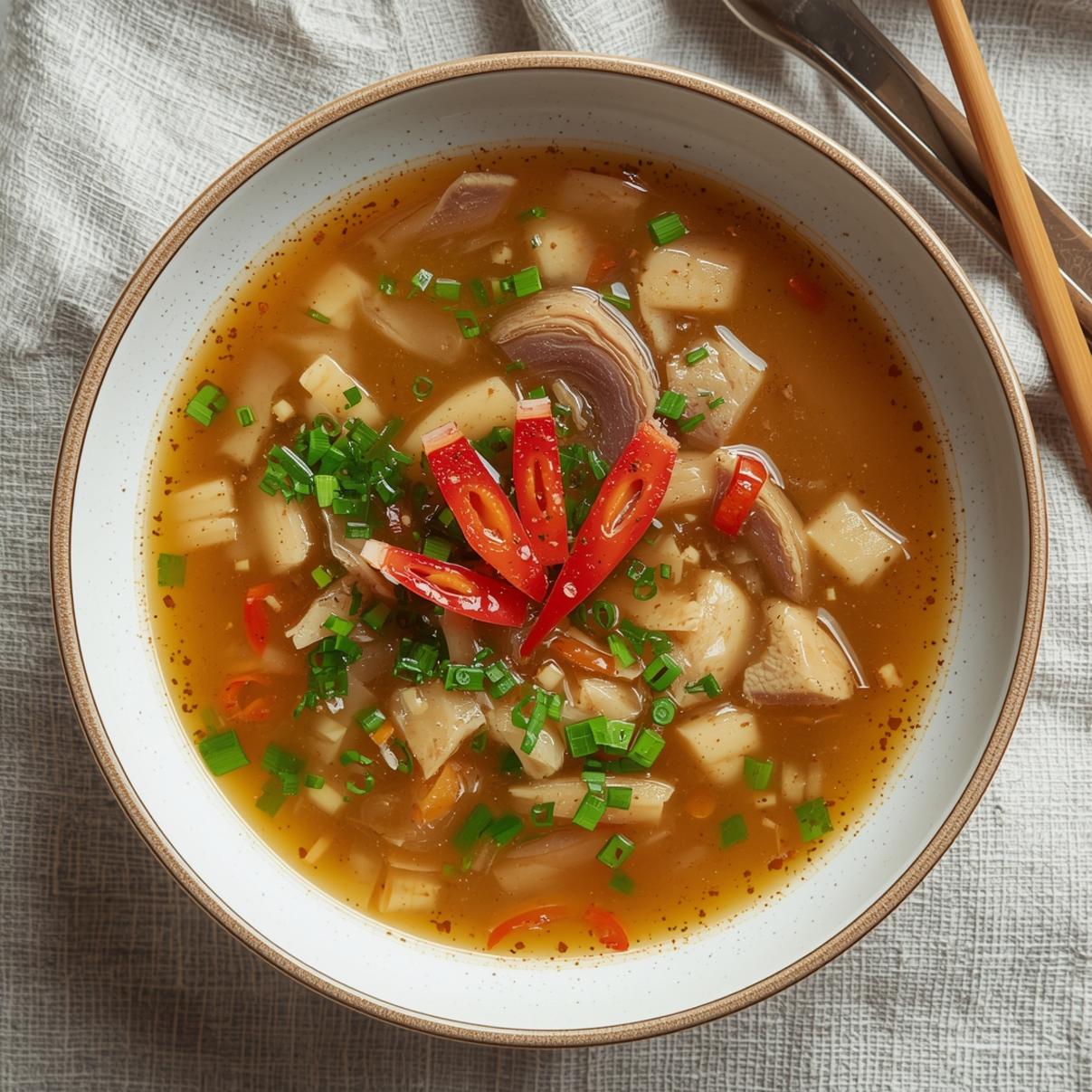
Discover the soul-warming comfort of a traditional miso soup recipe that brings authentic Japanese flavors right to your kitchen. This simple yet profound dish has been a cornerstone of Japanese cuisine for centuries, offering both nourishment and a deeply satisfying umami experience. Whether you’re looking to expand your culinary horizons or simply crave a light, warming soup, this classic Japanese soup recipe delivers on all fronts. Made with fermented soybean paste, dashi stock, tofu, and seaweed, traditional miso soup balances simplicity with complex flavors. It’s quick to prepare yet carries the weight of Japanese culinary tradition in every spoonful. Perfect as a starter, side dish, or light meal on its own, mastering this foundational recipe opens the door to countless variations and personal adaptations.
Ingredients List
For Dashi Stock (4 servings):
- 4 cups water
- 1 piece kombu (dried kelp), approximately 4 inches square
- 1/2 cup bonito flakes (katsuobushi)
For Miso Soup:
- 4 cups dashi stock (from above or instant dashi)
- 3-4 tablespoons miso paste (white, yellow, or red)
- 7 oz soft tofu, cubed
- 2 green onions, thinly sliced
- 2 tablespoons wakame seaweed, dried (expands when soaked)
Optional Add-ins:
- Sliced mushrooms (shiitake or enoki work well)
- Daikon radish, thinly sliced
- Spinach leaves
- Thinly sliced carrots
- Small cubes of potato
Timing
Preparation Time: 10 minutes
Cooking Time: 15 minutes
Total Time: 25 minutes
Step-by-Step Instructions
Making Dashi Stock:
1. Place the kombu in a pot with 4 cups of cold water. Let it soak for 30 minutes to extract maximum flavor.
2. Heat the pot over medium heat. Just before the water boils (you’ll see small bubbles forming around the kombu), remove the kombu to prevent the stock from becoming bitter.
3. Add the bonito flakes and bring to a boil. Once boiling, reduce heat and simmer for 30 seconds.
4. Turn off the heat and allow the bonito flakes to sink to the bottom, about 10 minutes.
5. Strain the stock through a fine-mesh sieve or cheesecloth into a clean pot. Your dashi is now ready to use.
Making Miso Soup:
1. If using dried wakame, place it in a small bowl with cold water and let it rehydrate for 5 minutes, then drain.
2. Heat the dashi stock over medium heat until hot but not boiling.
3. Take a small amount of hot dashi in a ladle or cup and dissolve the miso paste completely in this liquid.
4. Add the dissolved miso back into the pot of dashi and stir well. Important: Never boil the soup after adding miso as it destroys its flavor and nutritional properties.
5. Add the cubed tofu and wakame to the soup and heat through for about 2 minutes.
6. Turn off the heat and garnish with sliced green onions.
7. Serve immediately in individual bowls.
For Variations:
- If adding vegetables like daikon or carrots, add them to the dashi before incorporating the miso paste and simmer until tender.
- For mushrooms, add them just before the tofu and simmer for 2-3 minutes.
- Leafy greens like spinach should be added in the final minute of cooking.
Nutritional Information
A typical serving of traditional miso soup (approximately 1 cup) contains:
- Calories: 85-100 kcal
- Protein: 6-7g
- Fat: 3-4g
- Carbohydrates: 8-10g
- Fiber: 1-2g
- Sodium: 600-800mg (varies significantly based on the miso paste used)
- Contains significant amounts of vitamin K, manganese, zinc, copper, and various B vitamins
Miso soup is particularly notable for being a good source of probiotics due to the fermented miso paste, which contains beneficial bacteria that support gut health. However, be mindful that the sodium content can be high, which is important to consider for those monitoring their salt intake.
Healthier Alternatives
To create a lower-sodium version of this classic miso soup recipe:
- Choose a reduced-sodium miso paste, which can cut sodium by up to 40%
- Use less miso paste (2 tablespoons instead of 3-4) and enhance flavor with more vegetables
- Make a mushroom-based dashi rather than using bonito flakes for a vegetarian alternative with less sodium
For increased nutritional value:
- Add more vegetables like kale, bok choy, or broccoli for additional vitamins and minerals
- Incorporate protein-rich ingredients such as edamame or thinly sliced chicken
- Use brown rice miso, which contains more fiber than white miso
- Substitute firm tofu for soft tofu if you prefer more protein and a heartier texture
For dietary restrictions:
- Make it vegan by using kombu-only dashi or mushroom dashi
- For gluten sensitivity, ensure your miso paste is labeled gluten-free (some varieties contain barley)
- Create a soy-free version using chickpea miso and replacing tofu with vegetables or a small amount of shredded chicken
Serving Suggestions
Traditional miso soup is incredibly versatile and can be enjoyed in numerous ways:
- Serve as a starter before a Japanese meal featuring sushi, sashimi, or tempura
- Pair with a bowl of steamed rice and pickled vegetables for a light, balanced meal
- Complement grilled fish or seafood dishes for a complete protein-rich dinner
- Enjoy alongside onigiri (rice balls) for a quick, satisfying lunch
- Serve in small cups as an appetizer for dinner parties
- For breakfast, Japanese-style, pair with steamed rice, grilled fish, and a soft-boiled egg
For aesthetic presentation:
- Use traditional Japanese soup bowls with lids to keep the soup hot
- Arrange the green onions artfully on top just before serving
- Consider black lacquered soup spoons to contrast with the soup’s color
- When incorporating additional ingredients, place them deliberately rather than randomly floating
Common Mistakes
Even with such a seemingly simple Japanese soup recipe, there are several pitfalls that can affect your results:
Boiling Miso: Perhaps the most common error is adding miso paste directly to boiling liquid. This destroys the beneficial enzymes and subtle flavors. Always dissolve miso in a small amount of warm, not boiling, broth before adding it back to the pot, and never boil the soup afterward.
Using Too Much Miso: It’s easy to overdo the miso paste, resulting in an overpoweringly salty soup. Start with less than you think you need – you can always add more to taste.
Improper Seaweed Handling: Dried wakame expands significantly when hydrated. Using too much can overwhelm the soup with its oceanic flavor and gelatinous texture. A little goes a very long way.
Aggressive Stirring: Vigorous stirring can break apart the delicate tofu cubes. Stir gently to preserve the integrity of the ingredients.
Using Only One Type of Miso: Different miso varieties offer different flavor profiles. White miso is milder and sweeter, while red miso is more robust and savory. Consider using a blend for complex flavor.
Ignoring Seasonal Ingredients: Traditional Japanese cooking emphasizes seasonality. Adapt your miso soup recipe to incorporate what’s fresh and available.
Storing Tips
While miso soup is best enjoyed fresh, there are practical ways to store components or leftovers:
Dashi Stock:
- Refrigerate for up to 3 days in an airtight container
- Freeze in ice cube trays, then transfer to freezer bags for up to 3 months
- For convenience, freeze in 1-cup portions for quick single servings
Prepared Miso Soup:
- Store in the refrigerator for up to 2 days
- When reheating, do so gently on the stovetop and avoid boiling
- The flavor will diminish somewhat after storage, so you may need to add a small amount of fresh miso paste when reheating
Miso Paste:
- Keep refrigerated in an airtight container
- Will last for months (check expiration date on packaging)
- A thin layer of oxidation on top is normal – simply scrape it off before using
Ingredient Prep:
- Pre-cut tofu can be stored in water in the refrigerator for 2-3 days
- Pre-slice green onions and store in an airtight container with a slightly damp paper towel for 1-2 days
Conclusion
Mastering a traditional miso soup recipe is more than just adding another dish to your repertoire – it’s embracing a cornerstone of Japanese culinary philosophy that values simplicity, balance, and umami. What makes this soup special is not complexity but rather the careful attention to quality ingredients and proper technique. As you become comfortable with the basic formula, you’ll find yourself naturally experimenting with seasonal vegetables, different miso varieties, and various proteins to create your perfect bowl. This adaptability is precisely what has made miso soup endure for centuries in Japanese households. Whether you’re seeking comfort food, a light appetizer, or a nourishing quick meal, this humble yet profound soup delivers on all fronts while connecting you to traditions that span generations. Remember that the best miso soup is one made with care and attention to detail – qualities that elevate even the simplest of foods to something truly special.
FAQs
What type of miso paste is best for beginners?
White (shiro) miso is recommended for beginners as it has the mildest and sweetest flavor. As you become more familiar with miso, you can experiment with yellow or red varieties which have progressively stronger flavors.
Can I make miso soup without dashi?
While traditional miso soup uses dashi as its base, you can substitute with vegetable broth or even water in a pinch. However, the distinctive umami flavor will be less pronounced without dashi.
Is miso soup gluten-free?
Not all miso pastes are gluten-free as some contain barley. Look specifically for miso labeled “gluten-free” or made exclusively from soybeans if you have gluten sensitivity.
How nutritious is miso soup?
Miso soup is relatively low in calories but rich in probiotics, vitamins (particularly B vitamins), and minerals like zinc and manganese. The fermentation process makes nutrients more bioavailable.
Can children eat miso soup?
Yes, miso soup is generally suitable for children, though you might want to use less miso paste to reduce sodium content. It’s an excellent way to introduce umami flavors and vegetables to developing palates.
Why should miso paste be added at the end of cooking?
Miso contains beneficial live enzymes and probiotics that are destroyed by high heat. Adding it at the end and avoiding boiling preserves these health benefits and the delicate flavor profile.
How can I make my miso soup more filling?
Add more protein sources like extra tofu, shredded chicken, or seafood. You can also incorporate hearty vegetables like sweet potatoes, kabocha squash, or more substantial mushrooms like king oyster.
What’s the difference between instant miso soup and homemade?
Instant varieties typically contain dehydrated ingredients and often higher sodium levels. Homemade miso soup offers fresher ingredients, more control over sodium content, and generally more complex flavors.