Introduction
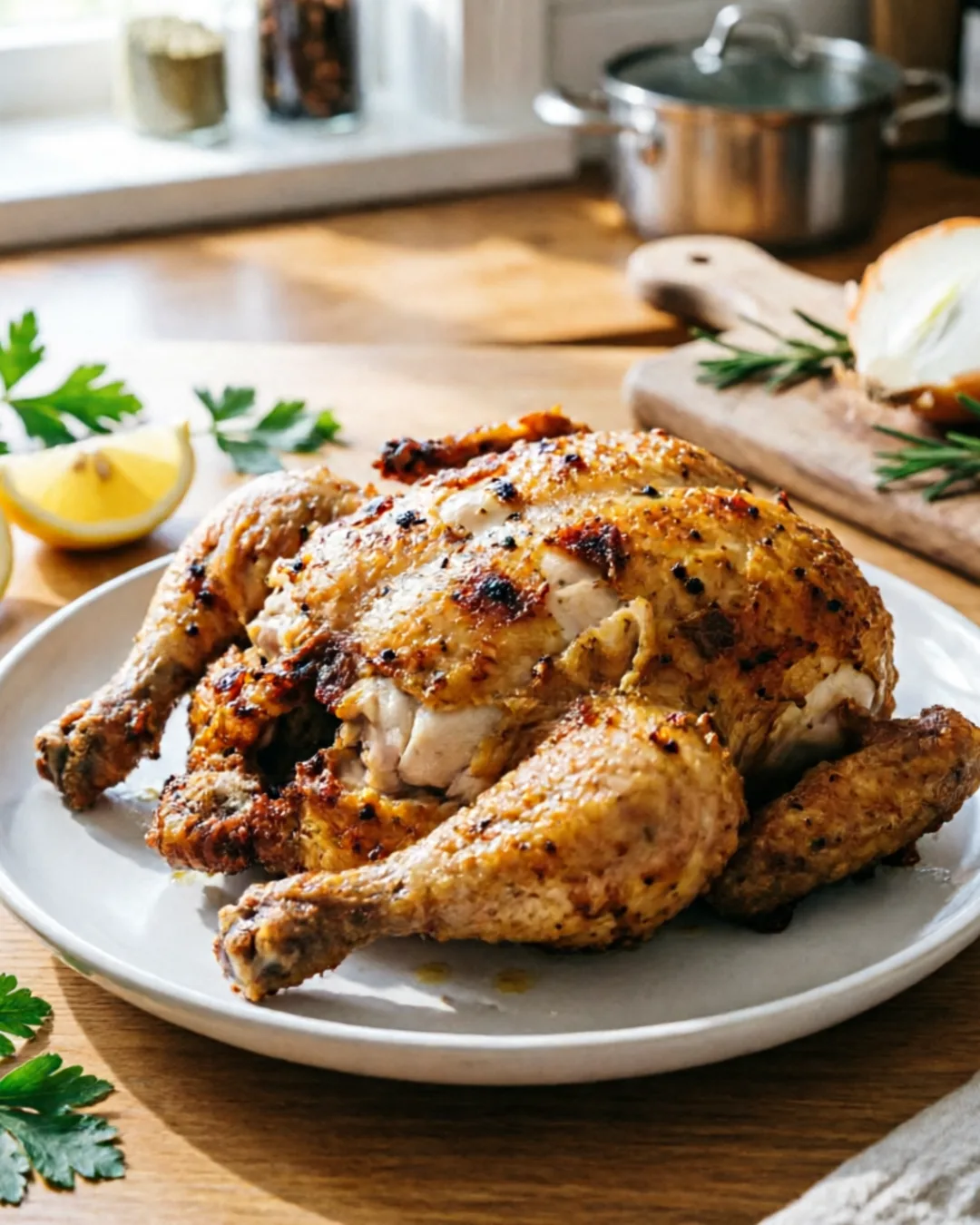
Achieving the perfect balance of crispy exterior and juicy interior is the holy grail when making fried chicken at home. This classic comfort food has deep roots in Southern American cuisine but has evolved into countless variations worldwide. Whether you’re a novice in the kitchen or an experienced home cook looking to refine your technique, this fried chicken recipe delivers consistently delicious results. The secret lies in the proper preparation, seasoning, and cooking method. We’ll walk through each step meticulously, ensuring your chicken turns out golden brown and irresistibly crunchy every time. From the initial brining process to the final temperature check, this guide covers all the essential elements needed to create restaurant-quality fried chicken in your own kitchen.
Ingredients List
For the Brine:
- 4 cups buttermilk
- 2 tablespoons kosher salt
- 1 tablespoon black pepper
- 2 teaspoons garlic powder
- 1 teaspoon paprika
- 3 pounds chicken pieces (mix of thighs, drumsticks, breasts, and wings)
For the Coating:
- 3 cups all-purpose flour
- 1 cup cornstarch
- 1 tablespoon baking powder
- 2 tablespoons kosher salt
- 2 teaspoons black pepper
- 2 teaspoons garlic powder
- 2 teaspoons onion powder
- 1 teaspoon paprika
- 1 teaspoon cayenne pepper (adjust to taste)
- 1 teaspoon dried herbs (thyme, oregano, or a blend)
For Frying:
- 2 quarts vegetable oil, peanut oil, or lard for frying
- 2 eggs, beaten
- 1/4 cup water
Timing
Total Time: 3 hours 30 minutes
- Prep Time: 30 minutes
- Brining Time: 2 hours (or overnight for best results)
- Coating Time: 15 minutes
- Cooking Time: 25-30 minutes
- Resting Time: 10-15 minutes
Step-by-Step Instructions
1. Prepare the Brine
Start by combining the buttermilk, salt, black pepper, garlic powder, and paprika in a large bowl. Whisk thoroughly until all seasonings are fully incorporated. The buttermilk serves two important purposes: its acidity tenderizes the chicken while the fat content helps lock in moisture during cooking.
2. Brine the Chicken
Submerge all chicken pieces in the buttermilk mixture, ensuring each piece is fully coated. Cover the bowl with plastic wrap and refrigerate for at least 2 hours. For optimal flavor and tenderness, brine overnight (up to 24 hours).
3. Prepare the Coating
In a large shallow dish, combine all the dry coating ingredients: flour, cornstarch, baking powder, salt, pepper, garlic powder, onion powder, paprika, cayenne, and dried herbs. The cornstarch is crucial for achieving that extra crispy texture, while baking powder helps create a light, airy crust.
4. Set Up Your Dredging Station
Create an efficient workflow by arranging your dredging station in this order:
- Brined chicken (drain excess buttermilk)
- A small bowl with beaten eggs mixed with water
- The seasoned flour mixture
- A wire rack placed over a baking sheet
5. Heat the Oil
Pour oil into a large, heavy-bottomed pot or deep cast-iron skillet until it reaches about 2-3 inches deep. Heat to 350°F (175°C). Use a candy or deep-fry thermometer to monitor the temperature accurately.
6. Coat the Chicken
Working with one piece at a time:
- Remove chicken from the brine, allowing excess to drip off
- Dip in the egg wash
- Dredge thoroughly in the flour mixture, pressing firmly to ensure coating adheres
- Shake off excess flour and place on the wire rack
- Allow the coated pieces to rest for 5-10 minutes (this helps the coating adhere better)
7. Fry the Chicken
Carefully lower 3-4 pieces into the hot oil (don’t overcrowd). The oil temperature will drop slightly – aim to maintain around 325°F (165°C) during frying. Cook times vary by piece:
- Wings: 8-10 minutes
- Thighs and drumsticks: 12-14 minutes
- Breasts: 15-18 minutes
Turn pieces occasionally for even browning. The chicken is done when it reaches an internal temperature of 165°F (74°C) and has a golden-brown exterior.
8. Drain and Rest
Transfer cooked pieces to a clean wire rack set over a baking sheet (not paper towels, which can make the coating soggy). Allow to rest for 10-15 minutes before serving. This resting period allows juices to redistribute throughout the meat.
Nutritional Information
Per serving (based on 1 piece of mixed chicken):
- Calories: 390-450 (varies by piece)
- Protein: 25-30g
- Fat: 20-25g
- Saturated Fat: 5-7g
- Carbohydrates: 20-25g
- Fiber: 1g
- Sodium: 600-700mg
- Sugar: 2g
Note: Nutritional values are approximate and will vary based on specific chicken pieces, exact ingredients used, and portion sizes.
Healthier Alternatives
While traditional fried chicken is an indulgence, there are several ways to create a healthier version:
- Air Fryer Method: Use an air fryer at 400°F (200°C) for 20-25 minutes, spraying the coated chicken with a light coating of oil spray before cooking.
- Oven-Baked Option: Bake at 425°F (220°C) on a wire rack for 35-40 minutes until crispy.
- Coating Substitutions:
– Replace half the all-purpose flour with almond flour or chickpea flour
– Use panko breadcrumbs for extra crunch with less absorption of oil
- Oil Alternatives: Consider using avocado oil, which has a high smoke point and healthier fat profile.
- Skinless Chicken: Remove the skin before brining for a significantly lower fat content.
Serving Suggestions
Elevate your crispy fried chicken with these complementary sides and pairings:
- Classic Southern Sides:
– Buttermilk biscuits with honey butter
– Creamy mashed potatoes with gravy
– Collard greens or braised kale
– Mac and cheese
– Corn on the cob
- Fresh Accompaniments:
– Coleslaw with vinegar dressing
– Dill pickle spears
– Sliced tomatoes with salt and pepper
– Green salad with buttermilk ranch dressing
- Sauces for Dipping:
– Honey-sriracha sauce
– Alabama white BBQ sauce
– Buffalo sauce with blue cheese
– Maple-dijon glaze
- Beverage Pairings:
– Sweet tea or lemonade
– Craft beer (particularly IPA or wheat beer)
– Sparkling wine or champagne (the acidity cuts through the richness)
Common Mistakes
Avoid these pitfalls to ensure your fried chicken recipe turns out perfectly:
1. Oil Temperature Issues:
– Too hot: burns the exterior before the interior cooks
– Too cool: results in greasy, soggy chicken
– Solution: Use a thermometer and maintain 325-350°F (165-175°C)
2. Overcrowding the Pan:
– Causes oil temperature to drop dramatically
– Results in uneven cooking and soggy coating
– Solution: Fry in small batches, allowing ample space between pieces
3. Insufficient Seasoning:
– Bland chicken despite the crispy exterior
– Solution: Season both the brine and the flour mixture generously
4. Skipping the Rest Time:
– Causes coating to fall off when cutting into the chicken
– Results in loss of juices
– Solution: Allow 10-15 minutes resting time after frying
5. Inconsistent Piece Sizes:
– Some pieces overcook while others remain undercooked
– Solution: Cut larger pieces (especially breasts) into smaller, uniform portions
Storing Tips
Properly storing leftover fried chicken preserves both flavor and texture:
- Immediate Storage: Allow chicken to cool completely before refrigerating (within 2 hours of cooking).
- Refrigeration:
– Place in shallow airtight containers
– Alternately, wrap tightly in heavy-duty aluminum foil
– Store for up to 3-4 days
- Freezing:
– Wrap individual pieces in foil, then place in freezer bags
– Remove as much air as possible
– Label with date
– Freeze for up to 4 months
- Reheating Methods:
– Oven (preferred): 375°F (190°C) for 15-20 minutes on a wire rack
– Air fryer: 375°F (190°C) for 4-5 minutes
– Microwave (least desirable): 30-second intervals at 70% power
– Avoid reheating more than once
Conclusion
Mastering this fried chicken recipe opens the door to endless culinary possibilities. The techniques you’ve learned—brining, proper dredging, temperature control—apply to many other dishes beyond fried chicken. While achieving that perfect golden crust might take practice, the results are well worth the effort. Remember that regional variations exist across the American South and worldwide, each with unique spice blends and cooking methods. Don’t be afraid to experiment with different seasonings once you’ve mastered the basic technique. Whether served at a summer picnic, Sunday dinner, or special gathering, homemade crispy fried chicken creates lasting memories and satisfied appetites. The combination of crunchy exterior and juicy, flavorful meat makes this dish a timeless classic that will never go out of style.
FAQs
Q: Why do I need to use buttermilk in my fried chicken recipe?
A: Buttermilk contains acids that help tenderize the meat by breaking down proteins. It also adds tanginess and helps the coating adhere better to the chicken.
Q: Can I use chicken breasts only for this recipe?
A: Yes, though breasts tend to dry out more easily. Consider cutting them into smaller, even-sized pieces and reducing the cooking time slightly to prevent overcooking.
Q: What’s the best oil for frying chicken?
A: Neutral oils with high smoke points work best. Vegetable oil, peanut oil, or a combination of vegetable oil and shortening are excellent choices. Some Southern traditions call for lard for authentic flavor.
Q: How can I tell when the chicken is done without a thermometer?
A: Pierce the thickest part with a knife—juices should run clear, not pink. The meat should feel firm, and when cooking dark meat, the bones may start to pull away slightly from the meat.
Q: Can I reuse the oil after frying chicken?
A: Yes, strain it through a fine-mesh sieve lined with cheesecloth once cooled. Store in an airtight container away from light and heat. You can typically reuse it 2-3 times before discarding.