Introduction
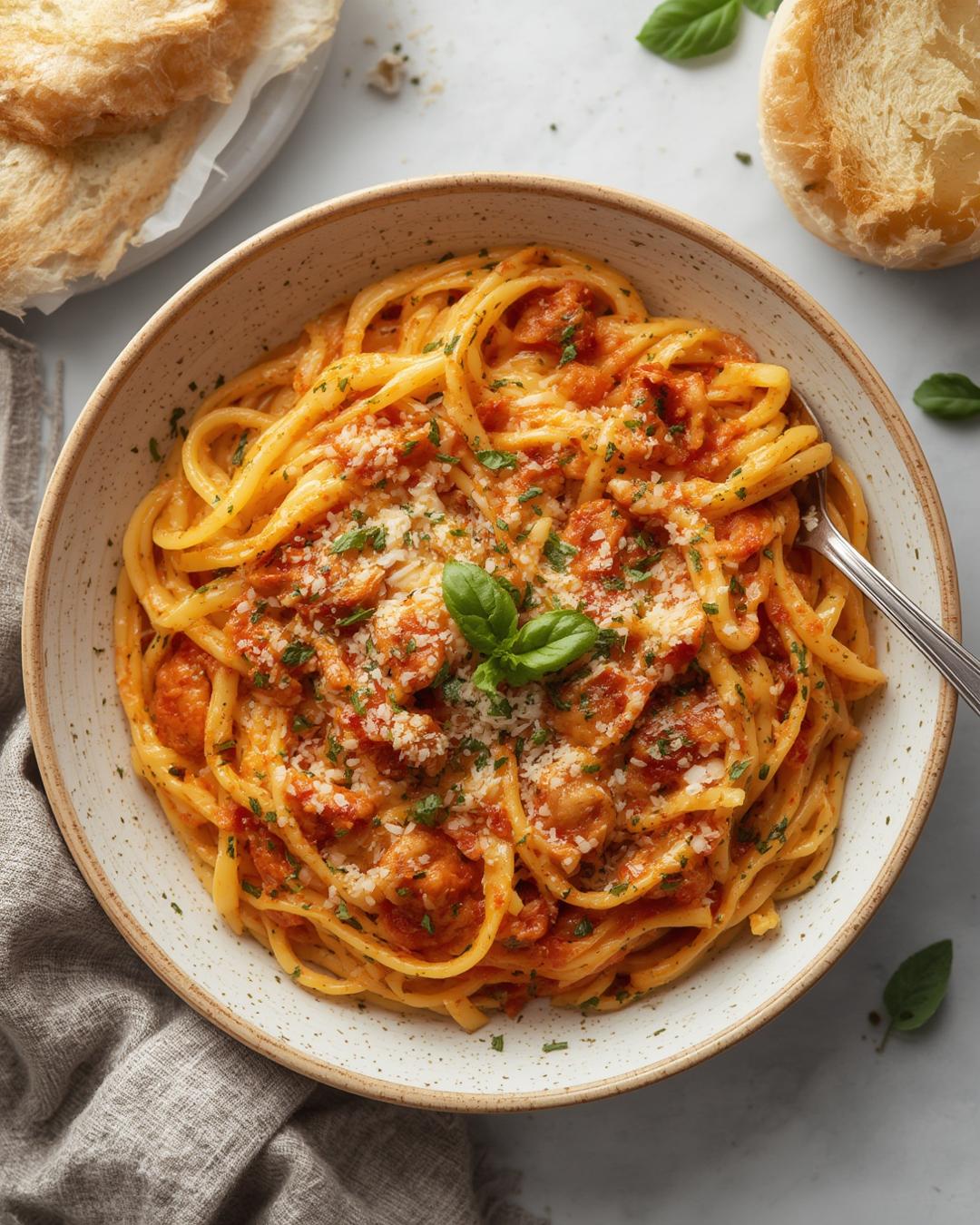
Exploring the world of pasta recipes is like embarking on a delicious journey through Italian culinary traditions. From the rolling hills of Tuscany to the coastal villages of Sicily, Italian pasta dishes have been perfected over centuries, offering an incredible variety of flavors, textures, and cooking techniques. This classic Spaghetti Carbonara recipe captures the essence of authentic Italian cooking—simple ingredients transformed into something extraordinary. Whether you’re a seasoned home chef or just beginning your culinary adventures, this dish delivers restaurant-quality results with minimal effort. The combination of crispy pancetta, creamy eggs, sharp cheese, and perfectly al dente pasta creates a harmonious balance that has made this dish a staple on dinner tables worldwide. Let’s dive into this timeless recipe that showcases why pasta remains one of the most beloved and versatile foundations for countless memorable meals.
Ingredients List
For this classic carbonara (serves 4), you’ll need:
• 1 pound (454g) spaghetti
• 8 ounces (225g) pancetta or guanciale, diced
• 4 large eggs, room temperature
• 1 cup (100g) freshly grated Pecorino Romano cheese
• ½ cup (50g) freshly grated Parmigiano Reggiano cheese
• 2 cloves garlic, minced (optional)
• 1 tablespoon olive oil
• Freshly ground black pepper (generous amount)
• Salt for pasta water
• Fresh parsley, chopped (for garnish)
Chef’s Note: While many modern Italian pasta dishes include garlic in carbonara, purists might skip it. This recipe includes it as an optional ingredient, allowing you to decide based on your preference.
Timing
• Prep time: 15 minutes
• Cook time: 15 minutes
• Total time: 30 minutes
This quick-cooking time makes carbonara one of the most weeknight-friendly pasta recipes in any home cook’s repertoire. The efficiency-to-satisfaction ratio is unmatched among Italian pasta dishes!
Step-by-Step Instructions
1. Prepare the cheese and egg mixture:
– In a medium bowl, whisk together the eggs until well combined.
– Add the grated Pecorino Romano and Parmigiano Reggiano cheeses to the eggs.
– Add a generous amount of freshly ground black pepper (this is the “carbone” or “coal” that gives carbonara its name).
– Whisk until thoroughly combined, then set aside.
2. Cook the pasta:
– Bring a large pot of water to a rolling boil.
– Add salt generously (the water should taste like the sea).
– Add the spaghetti and cook according to package instructions until al dente (typically 8-10 minutes).
– Before draining, reserve 1 cup of the starchy pasta cooking water.
3. Prepare the pancetta:
– While the pasta cooks, heat olive oil in a large skillet over medium heat.
– If using, add the minced garlic and sauté for 30 seconds until fragrant.
– Add the diced pancetta or guanciale and cook until crisp and the fat has rendered, about 5-7 minutes.
– Remove from heat and set aside, keeping the rendered fat in the pan.
4. Combine and create the sauce:
– Drain the cooked pasta and immediately add it to the skillet with the pancetta.
– Working quickly, toss the pasta in the rendered fat to coat evenly.
– Allow the pasta to cool for about 30 seconds (this prevents the eggs from scrambling).
– Pour the egg and cheese mixture over the pasta while continuously tossing or stirring.
– Add splashes of the reserved pasta water as needed to create a smooth, silky sauce that coats each strand of pasta.
5. Finish and serve:
– The residual heat from the pasta will cook the eggs just enough to create a creamy sauce.
– Serve immediately, garnished with additional grated cheese, black pepper, and chopped parsley.
Pro Tip: The key to perfect carbonara lies in the timing of adding the egg mixture. The pasta should be hot enough to cook the eggs slightly but not so hot that they scramble. Continuous tossing is crucial to achieving that signature silky texture that makes this one of the most beloved pasta recipes worldwide.
Nutritional Information
Per serving (approximate values):
• Calories: 750
• Protein: 35g
• Carbohydrates: 75g
• Fat: 35g
• Saturated Fat: 14g
• Cholesterol: 240mg
• Sodium: 900mg
• Fiber: 3g
This traditional dish is calorie-dense due to the eggs, cheese, and pancetta, but can be enjoyed as part of a balanced diet when paired with lighter sides like a fresh salad.
Healthier Alternatives
While authentic carbonara is inherently rich, you can make adjustments to create a lighter version:
• Protein adjustment: Substitute pancetta with turkey bacon or even mushrooms for a meat-free alternative.
• Pasta selection: Use whole wheat or legume-based pasta for additional fiber and nutrients. These alternative pasta recipes still work beautifully with the carbonara technique.
• Egg modification: Use 2 whole eggs and 2 egg whites instead of 4 whole eggs to reduce cholesterol.
• Cheese considerations: Reduce the cheese quantities by about 25% and choose a well-aged cheese that has a stronger flavor, allowing you to use less without sacrificing taste.
• Portion control: Serve smaller portions as a first course (primo piatto) in the traditional Italian style, followed by a protein and vegetable course.
Balance Perspective: While these modifications create a lighter dish, they do move away from the traditional recipe. Many Italian pasta dishes are meant to be enjoyed in their authentic form as occasional treats rather than significantly altered.
Serving Suggestions
Carbonara shines when properly paired with complementary dishes and beverages:
• Wine pairing: A crisp white wine like Frascati or Pinot Grigio balances the richness of the dish perfectly. For red wine lovers, a light-bodied Chianti works wonderfully.
• Side dishes: A simple arugula salad with lemon vinaigrette offers a refreshing contrast to the creamy pasta.
• Starter options: Begin with light antipasti such as marinated vegetables or a small caprese salad.
• Bread considerations: While tempting, heavy garlic bread might overwhelm the delicate flavors of the carbonara. Instead, offer a light, crusty Italian bread for sopping up any remaining sauce.
• Complete meal structure: For a full Italian dining experience, serve smaller portions of pasta followed by a simple protein like grilled chicken or fish with seasonal vegetables.
Common Mistakes
Even experienced cooks sometimes struggle with carbonara. Here are pitfalls to avoid:
1. Scrambling the eggs: Adding the egg mixture to pasta that’s too hot results in carbonara’s most common failure. Allow the pasta to cool slightly and keep tossing continuously.
2. Using pre-grated cheese: Pre-packaged grated cheese contains anti-caking agents that prevent proper melting. Always grate your cheese fresh for authentic Italian pasta dishes.
3. Adding cream: Traditional carbonara contains no cream. The creamy texture comes solely from the eggs and cheese combined with starchy pasta water.
4. Overcooking the pasta: Perfectly al dente pasta is essential, as it will continue cooking slightly when tossed with the hot pancetta and fat.
5. Not using enough pepper: The “carbone” in carbonara refers to the generous amount of black pepper that gives the dish its distinctive flavor and appearance.
6. Using bacon instead of pancetta/guanciale: While possible in a pinch, regular bacon is often smoky, which changes the dish’s flavor profile significantly.
Storing Tips
While carbonara is best enjoyed immediately after preparation, here are some storage guidelines:
• Refrigeration: If you must store leftovers, place in an airtight container in the refrigerator for up to 2 days.
• Reheating method: To reheat, place in a skillet over low heat with a splash of water, tossing gently until just warmed through. Avoid microwave reheating, which tends to make the eggs rubbery.
• Freezing: Not recommended. The egg-based sauce will separate and lose its creamy texture upon thawing.
• Advance preparation: If planning ahead, you can pre-cook the pancetta and grate the cheese in advance, but the final dish should be assembled just before serving.
Conclusion
Carbonara represents the beautiful simplicity found in many classic Italian pasta dishes. With just a handful of quality ingredients and proper technique, you can create a restaurant-worthy meal that’s simultaneously sophisticated and comforting. The magic happens in that perfect moment when hot pasta, eggs, cheese, and pancetta come together to create something far greater than the sum of its parts. By understanding the principles behind this dish, you’ll not only master carbonara but gain insights that transfer to countless other pasta recipes. Remember that Italian cooking is about respecting ingredients and tradition while allowing your own touch to shine through. Whether you’re preparing a romantic dinner for two or a family meal, this timeless carbonara recipe promises to deliver satisfaction and perhaps become your new go-to dish when you’re craving something special yet achievable on even the busiest weeknights.
FAQs
Can I make carbonara with a different type of pasta?
Yes! While spaghetti is traditional, you can use other long pasta like fettuccine or linguine. Short pasta like rigatoni or penne also works well, as the tubular shape captures the sauce nicely.
Is it safe to eat a sauce made with raw eggs?
The heat from the pasta partially cooks the eggs, but they remain somewhat undercooked. Use the freshest, highest-quality eggs possible. If concerned, pasteurized eggs can be used as an alternative.
Why did my sauce turn lumpy?
This happens when the eggs cook too quickly and begin to scramble. To prevent this, temporarily remove the pan from heat when adding the egg mixture and keep the pasta moving constantly.
Can I make a vegetarian version of carbonara?
Yes! Try substituting the pancetta with sautéed mushrooms, which provide a similar umami flavor and meaty texture. Smoked sun-dried tomatoes can also add depth.
What’s the difference between pancetta and guanciale?
Both are Italian cured pork products, but guanciale is made from pork jowl or cheek, while pancetta comes from pork belly. Guanciale has a more intense flavor and is traditional in authentic carbonara.