Introduction
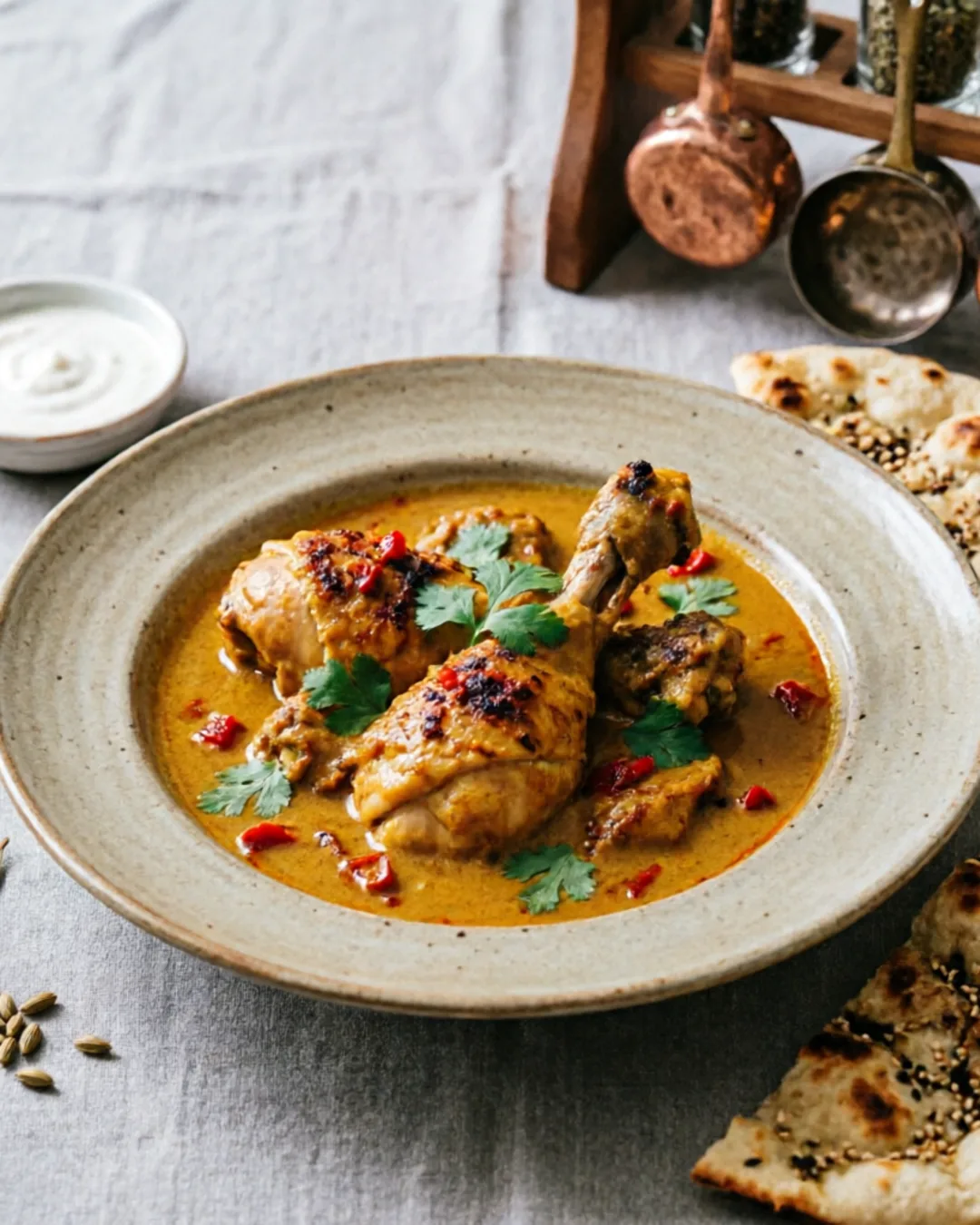
Indulge in the rich, aromatic flavors of a perfectly prepared chicken curry that transports your taste buds straight to the heart of South Asian cuisine. This classic dish, beloved worldwide, combines tender chicken pieces with a fragrant blend of spices and a velvety sauce that’s both comforting and exciting. Whether you’re a curry aficionado or trying your hand at this dish for the first time, this authentic chicken curry recipe strikes the perfect balance between traditional techniques and accessible ingredients. The beauty of this spicy chicken curry lies in its versatility – easily adjustable to your preferred heat level while maintaining the depth of flavor that makes curry so irresistible. As the gentle simmer fills your kitchen with intoxicating aromas, you’ll understand why this dish has become a staple in homes across continents, bringing people together around tables to share something truly special.
Ingredients List
For the Curry Base:
– 1.5 lbs (700g) boneless, skinless chicken thighs, cut into bite-sized pieces
– 2 medium onions, finely diced
– 4 garlic cloves, minced
– 1 inch (2.5 cm) fresh ginger, grated
– 2 tablespoons vegetable oil or ghee
– 1 can (14 oz/400g) diced tomatoes
– 1 cup (240ml) chicken stock
– 1/2 cup (120ml) coconut milk or plain yogurt
Spice Blend:
– 2 tablespoons curry powder
– 1 teaspoon ground cumin
– 1 teaspoon ground coriander
– 1 teaspoon turmeric
– 1/2 teaspoon red chili powder (adjust to taste for spiciness)
– 1/4 teaspoon cinnamon
– 2 whole cardamom pods (optional)
– 2 bay leaves
– Salt and pepper to taste
For Garnish:
– Fresh cilantro leaves, chopped
– 1 lime, cut into wedges
– Sliced green chilies (optional for extra heat)
Timing
– Preparation Time: 15-20 minutes
– Marination Time: 30 minutes (optional but recommended)
– Cooking Time: 35-40 minutes
– Total Time: 1 hour 25 minutes (including optional marination)
– Serves: 4 people
Step-by-Step Instructions
Step 1: Prepare the Chicken
1. Pat the chicken pieces dry with paper towels
2. Season with salt, pepper, and 1 teaspoon of curry powder
3. If time permits, let the chicken marinate for 30 minutes in the refrigerator
4. This allows the flavors to penetrate the meat more deeply
Step 2: Prepare the Base
1. Heat oil or ghee in a large, deep pan over medium heat
2. Add the diced onions and sauté for 5-7 minutes until they turn golden brown
3. Add the minced garlic and grated ginger, stirring for another minute until fragrant
4. This aromatic foundation is crucial for an authentic chicken curry recipe
Step 3: Create the Spice Base
1. Add all the spices (curry powder, cumin, coriander, turmeric, chili powder, cinnamon) to the onion mixture
2. Toast the spices for 1-2 minutes, stirring constantly to prevent burning
3. This process releases the essential oils in the spices, intensifying the flavor
4. Add the cardamom pods and bay leaves
Step 4: Cook the Chicken
1. Increase heat to medium-high and add the chicken pieces
2. Sear for 4-5 minutes, turning occasionally, until the chicken is lightly browned on all sides
3. The searing process locks in the juices and adds another layer of flavor
Step 5: Create the Sauce
1. Add the diced tomatoes and stir well to combine with the spices and chicken
2. Pour in the chicken stock
3. Bring the mixture to a boil, then reduce heat to low
4. Cover and simmer for 15-20 minutes, allowing the sauce to thicken and the chicken to cook through
Step 6: Finishing Touches
1. Stir in the coconut milk or yogurt
2. Simmer uncovered for an additional 5-7 minutes until the sauce reaches your desired consistency
3. Taste and adjust seasoning as needed – add more salt or spices to achieve your perfect balance
4. Remove bay leaves and cardamom pods before serving
Step 7: Serve
1. Transfer to a serving dish
2. Garnish with fresh cilantro leaves
3. Serve with lime wedges on the side
4. Add sliced green chilies for those who enjoy extra heat in their spicy chicken curry
Nutritional Information
Per serving (approximately 1/4 of recipe):
– Calories: 320
– Protein: 28g
– Carbohydrates: 12g
– Fat: 18g (6g saturated)
– Fiber: 3g
– Sugar: 5g
– Sodium: 580mg
This nutritional profile may vary depending on exact ingredients and portion sizes. The chicken curry recipe offers a good balance of protein and moderate carbohydrates, making it a satisfying main dish.
Healthier Alternatives
Make this chicken curry recipe even more nutritious with these simple swaps and additions:
– Use skinless chicken breast instead of thighs to reduce the fat content
– Increase the vegetable content by adding bell peppers, spinach, cauliflower, or peas
– Substitute light coconut milk or low-fat yogurt to reduce calories and saturated fat
– Use less oil by opting for a non-stick pan and using cooking spray
– Reduce sodium by using low-sodium chicken stock and adjusting salt to taste
– Add more fiber by serving with brown rice or quinoa instead of white rice
These modifications maintain the authentic flavor profile while boosting nutritional value. Remember that traditional spices like turmeric, ginger, and garlic used in spicy chicken curry offer natural anti-inflammatory benefits.
Serving Suggestions
Elevate your chicken curry experience with these perfect accompaniments:
– Rice options: Basmati rice, jeera (cumin) rice, or coconut rice
– Bread companions: Fresh naan, roti, paratha, or chapati for scooping up the sauce
– Cooling sides: Cucumber raita or a simple yogurt with mint to balance the heat
– Additional vegetables: Serve with a side of sautéed spinach or roasted cauliflower
– Chutneys and pickles: Mango chutney, lime pickle, or onion relish add contrasting flavors
– Refreshing drinks: Lassi, iced tea with mint, or a light beer complement the spices beautifully
For a complete dinner experience, start with a light appetizer like papadums with chutney before serving your main chicken curry dish.
Common Mistakes
Avoid these pitfalls to ensure your chicken curry recipe turns out perfectly every time:
1. Rushing the onions: Not cooking onions long enough results in a less developed flavor base
2. Burning the spices: Toasting spices enhances flavor, but burning them creates bitterness
3. Overcooking the chicken: This leads to dry, tough meat instead of tender, juicy pieces
4. Underseasoning: Curries need adequate salt to bring out the complex spice flavors
5. Adding yogurt or coconut milk too early: This can cause curdling; add towards the end of cooking
6. Cooking at too high heat: A gentle simmer develops flavors better than a rapid boil
7. Not tasting as you go: Adjust seasonings throughout the cooking process for balanced flavor
Taking the time to properly execute each step ensures your spicy chicken curry will have the authentic depth of flavor that makes this dish special.
Storing Tips
Make the most of your chicken curry with these storage recommendations:
– Refrigeration: Store cooled leftovers in an airtight container for up to 3-4 days
– Freezing: This curry freezes exceptionally well for up to 3 months in freezer-safe containers
– Portioning: Consider freezing in individual portions for convenient future meals
– Reheating: Warm gently on the stovetop with a splash of water to restore consistency
– Flavor development: Many curry enthusiasts believe the flavor improves after a day in the refrigerator as the spices continue to meld
– Food safety: Ensure the curry is properly cooled before refrigerating and always reheat until steaming hot
These storage practices help you enjoy your chicken curry recipe beyond the initial meal, making it an excellent option for meal prep and planned leftovers.
Conclusion
Mastering this chicken curry recipe opens the door to endless culinary possibilities, allowing you to create restaurant-quality meals in your own kitchen. What makes this dish truly special is how it combines simple ingredients with thoughtful technique to create something greater than the sum of its parts. As you become more comfortable with the process, don’t hesitate to experiment with different spice combinations, protein options, or additional vegetables to make this recipe your own. The beauty of curry lies in its adaptability—whether you prefer a mild, comforting dish or a fiery spicy chicken curry that challenges the taste buds. Beyond just a delicious meal, cooking curry connects you to centuries of culinary tradition and the shared human experience of creating food that brings joy. Each time you prepare this dish, you’ll discover new nuances in flavor and likely find your technique improving, resulting in an ever more delightful curry experience.
FAQs
1. Can I use chicken breast instead of thighs in this chicken curry recipe?
Yes, chicken breasts work well but require careful cooking to prevent drying out. Reduce the simmering time to about 10-15 minutes and check for doneness.
2. How can I make my curry spicier?
To increase heat, add more red chili powder, fresh chopped chilies, or a teaspoon of cayenne pepper. Alternatively, serve with fresh chili slices on the side so each person can adjust their heat level.
3. Can I make this chicken curry in a slow cooker?
Absolutely! Sauté the onions, garlic, ginger, and spices first, then transfer everything to a slow cooker. Cook on low for 4-5 hours or high for 2-3 hours, adding the coconut milk or yogurt in the last 30 minutes.
4. Is this curry gluten-free?
The basic recipe is gluten-free, but always check your curry powder and stock ingredients as some commercial versions may contain gluten additives.
5. Can I make this curry vegetarian?
Yes! Substitute the chicken with chickpeas, paneer cheese, tofu, or a variety of vegetables like cauliflower, potato, and peas. Use vegetable stock instead of chicken stock.
6. What if I don’t have all the spices listed?
A good quality curry powder alone can work in a pinch. The additional spices add complexity, but you’ll still get a delicious result with just curry powder, salt, and pepper.
7. Why is my curry watery?
Allow the curry to simmer uncovered for longer to reduce the sauce. Alternatively, mix 1 teaspoon of cornstarch with 1 tablespoon of cold water and stir into the simmering curry to thicken it.
8. Can I prepare this curry in advance for a party?
Yes, this curry actually improves in flavor when made a day ahead. Reheat gently before serving, adding a splash of cream or coconut milk to refresh the sauce.